

How Long Does Heartbreak Last After a Breakup
How Long Does Heartbreak Last After a Breakup?

Breaking up hurts. That's not news to anyone who's been through it. But if you're lying awake at 3 AM wondering whether you'll ever feel normal again, you're probably asking the same question everyone asks: how long is this going to last? The answer isn't simple, but it's not hopeless either. Most people start feeling noticeably better within three to six months, though the exact timeline depends on dozens of factors. Some bounce back in weeks. Others carry the weight for over a year. Neither is wrong—your brain doesn't care about averages when it's processing loss.
What Science Says About Heartbreak Duration
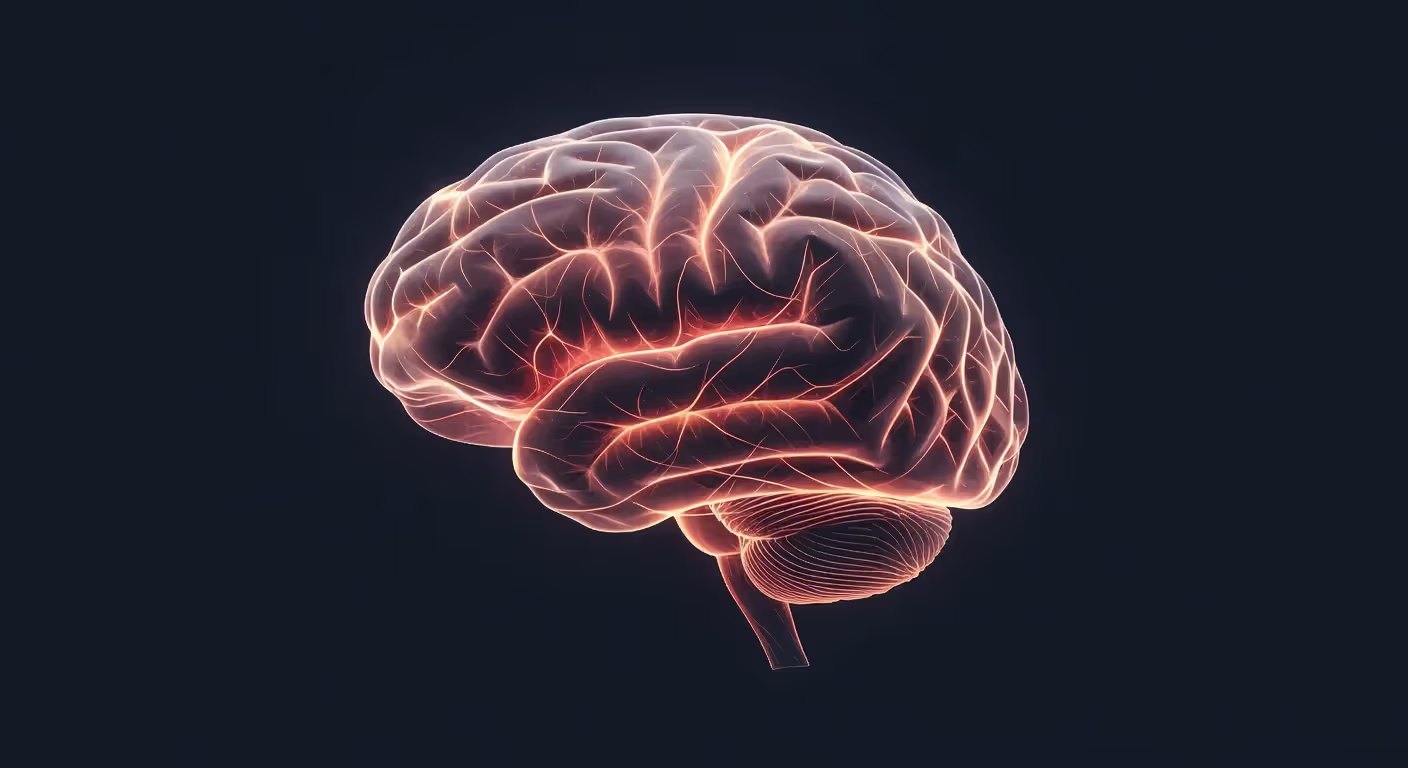
Researchers have spent years studying what happens in your brain during a breakup, and the findings explain why heartbreak feels so physically painful. When you look at brain scans of someone going through heartbreak, the same regions light up as when someone experiences physical pain. Your brain literally processes emotional rejection the same way it processes a broken bone.
A 2015 study published in the Journal of Neurophysiology found that social rejection activates the same neural pathways as physical pain. That's why you might feel chest tightness, stomach aches, or headaches after a breakup—it's not just metaphorical heartbreak.
The science of heartbreak duration points to a rough average of 11 weeks for most people to start feeling significantly better. But that's just when the acute pain begins to fade. A 2017 study tracking people after breakups found that it took an average of six months to feel "mostly recovered," and some participants reported lingering effects for up to 18 months.
Why does heartbreak hurt so long? Your brain formed strong neural pathways associated with your ex—patterns of thinking, routines, dopamine responses. Breaking those connections takes time. When you were together, your brain released dopamine and oxytocin during interactions. After the breakup, you're essentially going through withdrawal from those neurochemicals. That's not dramatic language—it's biochemistry.
The physical symptoms are real too. Studies show that heartbreak can temporarily weaken your immune system, disrupt sleep patterns, and even increase inflammation markers in your body. Your body treats the loss of a significant relationship as a genuine threat to your wellbeing.
Author: Naomi Bellamy;
Source: nappyheadedlovestories.com
Timeline of Heartbreak Recovery Stages
The emotional journey after a breakup doesn't follow a neat, predictable path, but most people move through recognizable phases. Understanding these stages won't make them shorter, but it helps to know you're not losing your mind when emotions spike and dip unpredictably.
Weeks 1–4: The Acute Pain Phase
This is the worst part. No sugarcoating it.
The first month feels like emotional whiplash. You'll swing between denial, anger, desperate hope for reconciliation, and crushing sadness—sometimes all in the same hour. Many people report feeling physically sick during this phase: no appetite, constant fatigue, difficulty concentrating on basic tasks.
Your brain is in crisis mode. It's trying to process the loss while simultaneously craving the person who's now gone. You might obsessively check their social media, replay conversations looking for clues, or imagine scenarios where you get back together. This is normal. Your brain is searching for patterns and solutions because that's what brains do when faced with problems.
Sleep becomes difficult. You might wake up with a jolt of anxiety or find yourself crying without warning. The pain feels constant and overwhelming. Most people in this phase can't imagine ever feeling better.
Months 2–3: The Adjustment Period
Something shifts around week six to eight. The pain is still there, but it's less constant. You'll have entire hours where you don't think about your ex, followed by waves of grief that hit hard.
This is when you start rebuilding routines without them. You figure out how to grocery shop alone, how to spend weekends, who to call when something funny happens. It's exhausting work, and you'll probably resist it at first.
A common mistake during this phase is thinking you're "over it" on a good day, then feeling devastated when the pain comes back. The pattern I see most often is people beating themselves up for "backsliding" when they're actually making normal progress. Healing isn't linear. You'll have good days and terrible days, sometimes for no clear reason.
Months 3–6: Gradual Recovery
By month three or four, most people notice they're genuinely feeling better. The heartbreak recovery timeline enters a phase where you start reclaiming your identity outside the relationship. You remember who you were before, or you start discovering who you want to become.
You'll still have setbacks—hearing "your song," running into mutual friends, or hitting relationship milestones alone (holidays, birthdays, places you planned to visit together). But these triggers become less devastating. They sting instead of crushing you.
This is when you might start feeling interested in other people again, or at least open to the possibility. Your energy returns. You laugh more easily. The future stops looking like a blank, scary void.

Author: Naomi Bellamy;
Source: nappyheadedlovestories.com
Beyond 6 Months: Continued Healing
After six months, most people report feeling "mostly recovered." That doesn't mean you never think about your ex or that the relationship doesn't matter anymore. It means the pain no longer dominates your daily life.
Some relationships take longer to recover from, especially marriages or long-term partnerships. If you were together for five years, expecting to feel completely fine after six months isn't realistic. A rough rule of thumb some therapists use is that it takes roughly half the length of the relationship to fully process the loss, though this varies wildly.
You'll know you're truly healing when you can think about your ex without that gut-punch feeling, when you feel genuinely happy about your current life, and when you stop measuring time by the breakup ("three months since," "half a year ago").
Why Heartbreak Lasts Longer for Some People
Not everyone follows the same timeline, and that's not a character flaw. Several factors affect how long heartbreak lasts, and understanding them can help you be more patient with yourself.
Relationship length and intensity matter. A three-month fling typically hurts less than a five-year partnership. But intensity sometimes trumps duration—a passionate six-month relationship can leave deeper wounds than a comfortable two-year one that fizzled out slowly.
Who ended it makes a difference. If you were blindsided by the breakup, you're processing both the loss and the shock. You didn't get time to emotionally prepare. People who initiated the breakup often start their grieving process before the relationship officially ends, giving them a head start on recovery.
Your attachment style plays a huge role. If you have an anxious attachment style, you'll probably struggle more with the fear of abandonment and the loss of security. Avoidant types might seem fine initially but have delayed reactions months later. Secure attachment styles generally (though not always) correlate with faster recovery.
The timeline for heartbreak recovery is one of the most individual aspects of human psychology. I've seen clients bounce back from five-year relationships in three months, and others still processing a six-month relationship after a year. The factors that matter most aren't about the relationship itself—they're about your support system, your coping mechanisms, and your history with loss. There's no 'normal' timeline, only your timeline.
— Chen Lisa
Your support system is critical. People with close friends and family who provide emotional support recover significantly faster than those who isolate. Social connection literally helps regulate your nervous system and provides external validation that you'll be okay.
Past trauma compounds current pain. If you've experienced abandonment, loss, or previous painful breakups, this one might trigger old wounds. You're not just healing from this relationship—you're processing layers of accumulated hurt.
Your coping mechanisms either help or hurt. Healthy coping (therapy, exercise, journaling, spending time with friends) speeds recovery. Unhealthy coping (excessive drinking, immediate rebounds, stalking your ex online, isolation) extends the pain and sometimes makes it worse.
Practical entanglement complicates things. Breaking up when you share a lease, a pet, a friend group, or children means you can't go no-contact cleanly. Every interaction reopens the wound a little.
When Heartbreak Pain Should Start Getting Easier
So when does the pain of a breakup go away? You should notice some improvement by week six to eight. Not healed—just less drowning, more treading water.
If you're three months out and feeling exactly as devastated as day one, that's worth examining. It doesn't mean something's wrong with you, but it might mean you're stuck in a pattern that's preventing healing. Common culprits include staying in contact with your ex, constantly checking their social media, or refusing to accept the relationship is over.
Does heartbreak get easier over time? Yes, but not in a smooth downward slope. Think of it more like a stock market chart—the overall trend is upward (toward feeling better), but there are plenty of dips and spikes along the way.
Signs that healing is progressing include having full days where you feel okay, being able to talk about the relationship without crying, feeling interested in hobbies or activities again, sleeping better, and experiencing genuine moments of happiness or excitement about the future.
Red flags that you might need professional help include thoughts of self-harm, inability to function at work or in daily tasks after several months, complete social withdrawal, substance abuse as a coping mechanism, or symptoms of clinical depression (persistent hopelessness, loss of interest in everything, significant changes in appetite or sleep that last beyond the first month).
The difference between normal grief and clinical depression can be subtle. Grief comes in waves and gradually lessens. Depression is more constant and doesn't improve with time alone. If you're unsure, talk to a therapist. There's no prize for suffering through it alone.
How to Speed Up Your Heartbreak Recovery

Author: Naomi Bellamy;
Source: nappyheadedlovestories.com
You can't skip the grief, but you can support your brain and body through the process. Here's what actually works, backed by research and clinical experience.
No contact is the foundation. This is the hardest and most effective strategy. Staying in contact with your ex is like trying to quit smoking while carrying a pack in your pocket. Every interaction resets your brain's detachment process. Block them on social media. Delete their number if you need to. Give yourself at least 30 days of complete silence, ideally longer.
Therapy accelerates healing. A good therapist helps you process emotions, identify unhelpful patterns, and develop better coping strategies. Cognitive behavioral therapy (CBT) is particularly effective for breakup recovery because it helps you challenge distorted thoughts and build new mental patterns.
Physical activity isn't optional. Exercise releases endorphins, regulates stress hormones, improves sleep, and gives you a sense of accomplishment. You don't need to train for a marathon—a 20-minute walk daily makes a measurable difference. The pattern I see most often is people who force themselves to move feeling better despite not wanting to.
Social connection heals. Spend time with people who care about you. Talk about the breakup when you need to, but also do activities that remind you life exists beyond this pain. Isolation feels safer but slows recovery significantly.
Journaling helps process emotions. Writing about your feelings—especially the messy, contradictory ones—helps your brain make sense of the experience. Studies show that expressive writing about emotional events improves both mental and physical health outcomes.
Avoid rebound relationships for at least three months. Using someone else to distract yourself from pain doesn't work. You end up carrying unprocessed baggage into the new relationship, which isn't fair to anyone involved. Casual dating is fine if you're honest about where you are emotionally, but don't jump into something serious.
Create new routines and experiences. Your brain associated certain places, times, and activities with your ex. Building new patterns helps create fresh neural pathways. Try a new hobby, rearrange your furniture, explore different parts of your city, or change your morning routine.
Limit alcohol and avoid using substances to cope. Drinking might numb the pain temporarily, but it prevents emotional processing and often makes you feel worse the next day. Plus, drunk-texting your ex never helps.
Practice self-compassion. Talk to yourself the way you'd talk to a friend going through this. You're not weak for hurting. You're not pathetic for still caring. You're a human processing a significant loss, and that takes time.
Heartbreak Recovery Timeline by Relationship Length
| Relationship Length | Expected Recovery Period | Typical Emotional Milestones |
| 0–6 months | 6–12 weeks | Acute pain fades quickly; may question if it was "real" enough to grieve; usually feel mostly normal by month three |
| 6–12 months | 3–4 months | Adjusting to changed routines; processing what you learned; ready to date again around month four |
| 1–3 years | 4–9 months | Rebuilding identity outside the relationship; may grieve the future you planned; significant improvement by month six |
| 3+ years or marriage | 6–18 months | Deep identity reconstruction; grieving shared life and future; may need professional support; gradual improvement with setbacks at milestones |
This table offers rough estimates—your timeline might be shorter or longer depending on the factors we discussed earlier. Don't use these numbers to judge yourself.
FAQ: Heartbreak Duration Questions Answered
Heartbreak won't last forever, even when it feels like it will. Your brain is designed to adapt, to form new connections, to heal from loss. The timeline is different for everyone, and that's okay. Give yourself permission to hurt, to heal slowly, to have setbacks. You're not broken because you're still processing this. You're human, and you're doing the hard work of moving forward. That's enough.
Related Stories

Read more

Read more




The content on this website is provided for general informational and educational purposes only. It is intended to explain concepts related to relationships, dating, marriage, emotional intimacy, attachment styles, and breakup recovery.
All information on this website, including articles, guides, and examples, is presented for general educational purposes. Outcomes and relationship experiences may vary depending on individual circumstances.
This website does not provide professional counseling, therapy, or legal advice, and the information presented should not be used as a substitute for consultation with qualified mental health professionals or relationship counselors.
The website and its authors are not responsible for any errors or omissions, or for any outcomes resulting from decisions made based on the information provided on this website.