
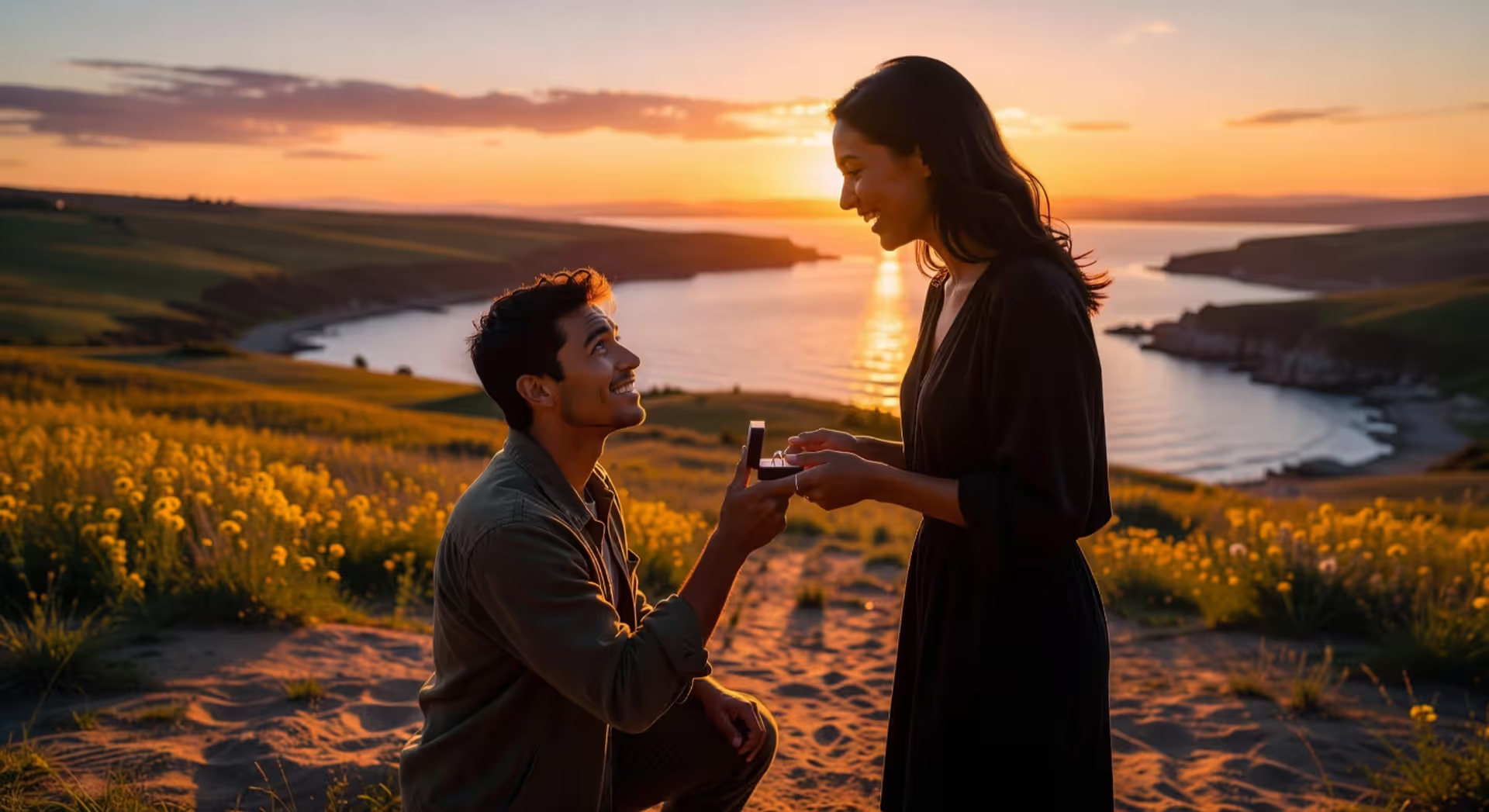
How to Propose: A Step-by-Step Guide to Planning Your Engagement
Planning the Perfect Marriage Proposal

Proposing marriage is one of those moments you'll replay in your mind forever. The nerves, the anticipation, the hope that everything goes exactly right. But here's the thing: there's no single "right" way to do it. What matters is that it feels authentic to your relationship and honors the person you're asking to spend their life with you.
The best proposals aren't necessarily the most expensive or elaborate. They're the ones that feel deeply personal. Maybe that's a quiet moment at home with your dog as a witness, or maybe it's a choreographed flash mob in Times Square. Both can be perfect—for the right couple.
This guide walks you through everything you need to know, from budgeting and ring shopping to crafting what you'll say in that heart-pounding moment. We'll cover traditional approaches, modern twists, and how to avoid the mistakes that turn a magical moment into a stressful one.
Planning Your Proposal Timeline and Budget
Start planning at least two to three months before you want to propose. That gives you enough time to shop for a ring, coordinate logistics, and handle the inevitable curveballs without panic.
If you're planning something complex—a destination proposal, a surprise involving multiple people, or anything requiring permits or reservations—add another month or two. The pattern I see most often is people underestimating how long ring shopping actually takes. Between finding the right jeweler, choosing or customizing the ring, sizing, and any adjustments, you're looking at four to eight weeks minimum.
Budget-wise, the old "three months' salary" rule is outdated and frankly ridiculous. In 2026, most couples spend between $3,000 and $8,000 on an engagement ring, but that range varies wildly based on location, preferences, and financial priorities. Some people spend $500. Some spend $50,000. Neither is wrong.
Here's a more practical approach: decide what you can comfortably afford without going into debt or depleting your emergency fund. Remember, you're starting a life together—beginning that life in financial stress isn't romantic.
For the proposal itself (separate from the ring), budget anywhere from $0 to $2,000. A simple at-home proposal costs nothing. A photographer runs $300-$800. A weekend trip to a special location might hit $1,500-$2,500. Dinner at a nice restaurant, flowers, and champagne could be $300-$500.
Saving strategies that actually work: open a separate savings account and automate transfers. Even $200 a month adds up quickly. Cut one or two discretionary expenses temporarily—that daily coffee run, a streaming service you barely use, eating out twice a week instead of five times. You'd be surprised how fast you can save $3,000-$5,000 in six months with focused effort.
Don't forget the hidden costs: ring insurance ($100-$200 annually), manicure for your partner if you're tipping them off to get their nails done ($50-$80), and any props or decorations you need for the proposal setup.
Author: Naomi Bellamy;
Source: nappyheadedlovestories.com
Choosing the Right Ring Before You Propose
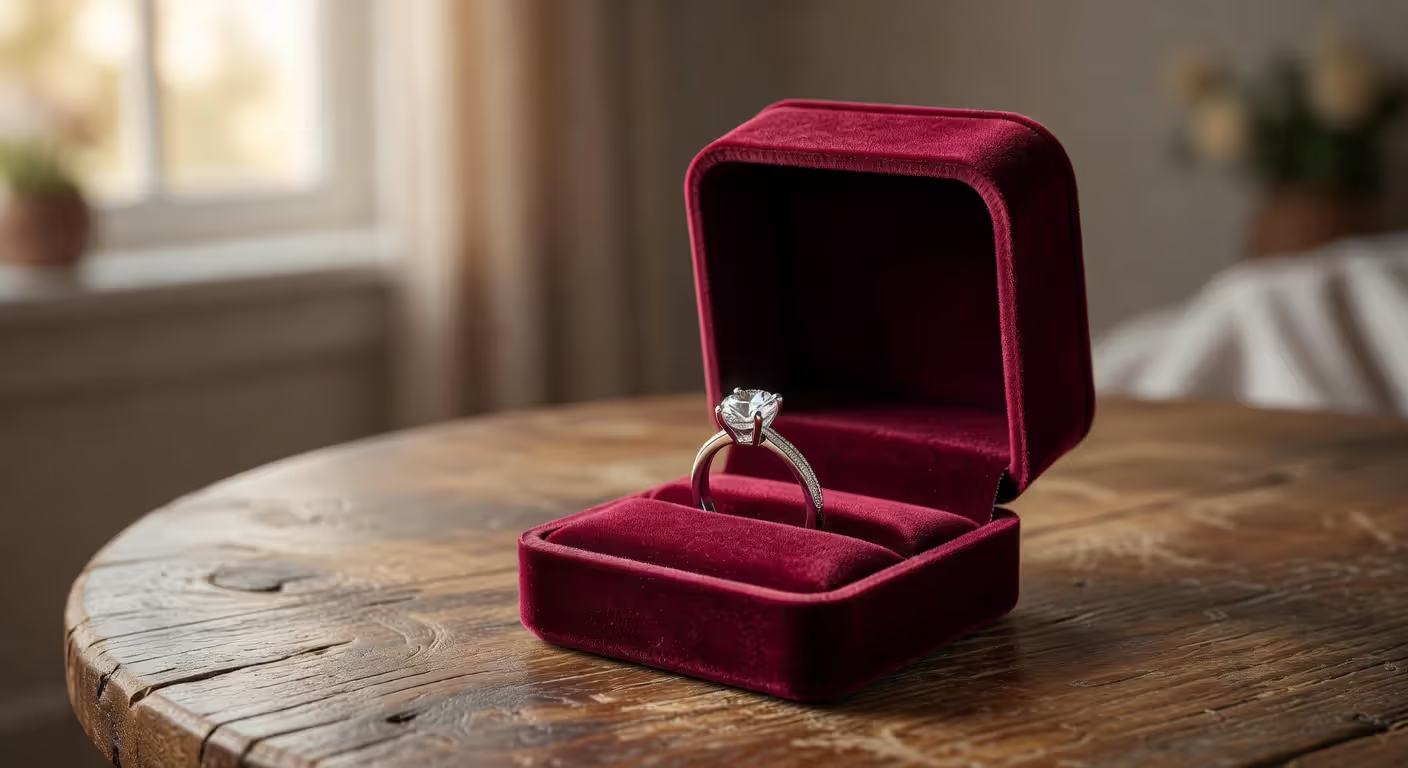
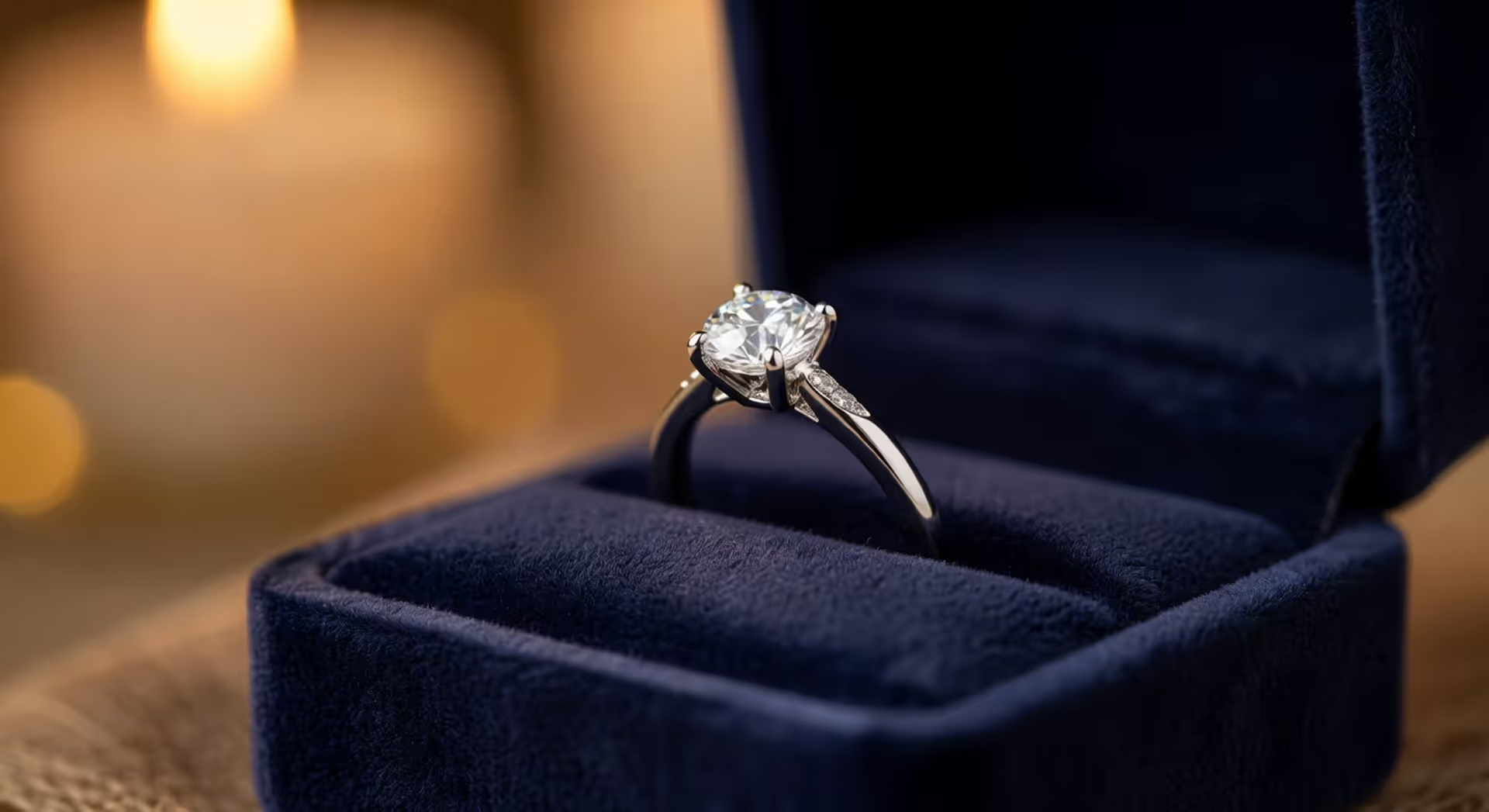
Ring shopping feels overwhelming at first. There are cuts, carats, clarity grades, settings, metals—it's a lot. But you don't need to become a gemologist. You just need to know what your partner likes.
Start by doing some detective work. Look at the jewelry they currently wear. Do they prefer gold or silver? Delicate or bold? Vintage or modern? Check their Pinterest boards if they have them (many people pin ring ideas without even realizing they're doing it). Ask their close friends or siblings—but only people you trust to keep a secret.
If you're truly stumped, consider proposing with a placeholder ring or even just the box, then shopping together afterward. Some people hate this idea because it feels less "complete," but others love the practical approach. It depends on your partner's personality.
Ring sizing without them knowing is tricky. You can borrow a ring they wear on their ring finger (left or right hand—sizes are usually close) and trace the inside on paper or press it into a bar of soap. Most jewelers can resize a ring after the proposal if you're off by a size or two, so don't stress too much about getting it exactly right.
Lab-grown diamonds have become incredibly popular and can save you 40-60% compared to mined diamonds with identical appearance and durability. In 2026, roughly half of engagement rings sold feature lab-grown stones. There's no visual or chemical difference—even jewelers need specialized equipment to tell them apart.
Alternatives to traditional diamond solitaires are everywhere now: colored gemstones (sapphires, emeralds, moissanite), vintage rings, custom designs, or even family heirlooms reset in a new style. If your partner has strong ethical concerns about mining or just prefers something different, explore these options.
Timing matters here too. If you want to propose on a specific date, order the ring at least six to eight weeks in advance. Custom designs can take three to four months. And if the ring needs resizing after you propose, add another one to two weeks.
Creative and Romantic Proposal Ideas by Setting
The setting you choose sends a message about your relationship and what you value as a couple. An intimate home proposal says "our everyday life together is what I treasure most." A mountaintop proposal says "I want to shout this to the world." Neither is better—just different.
Intimate At-Home Proposals
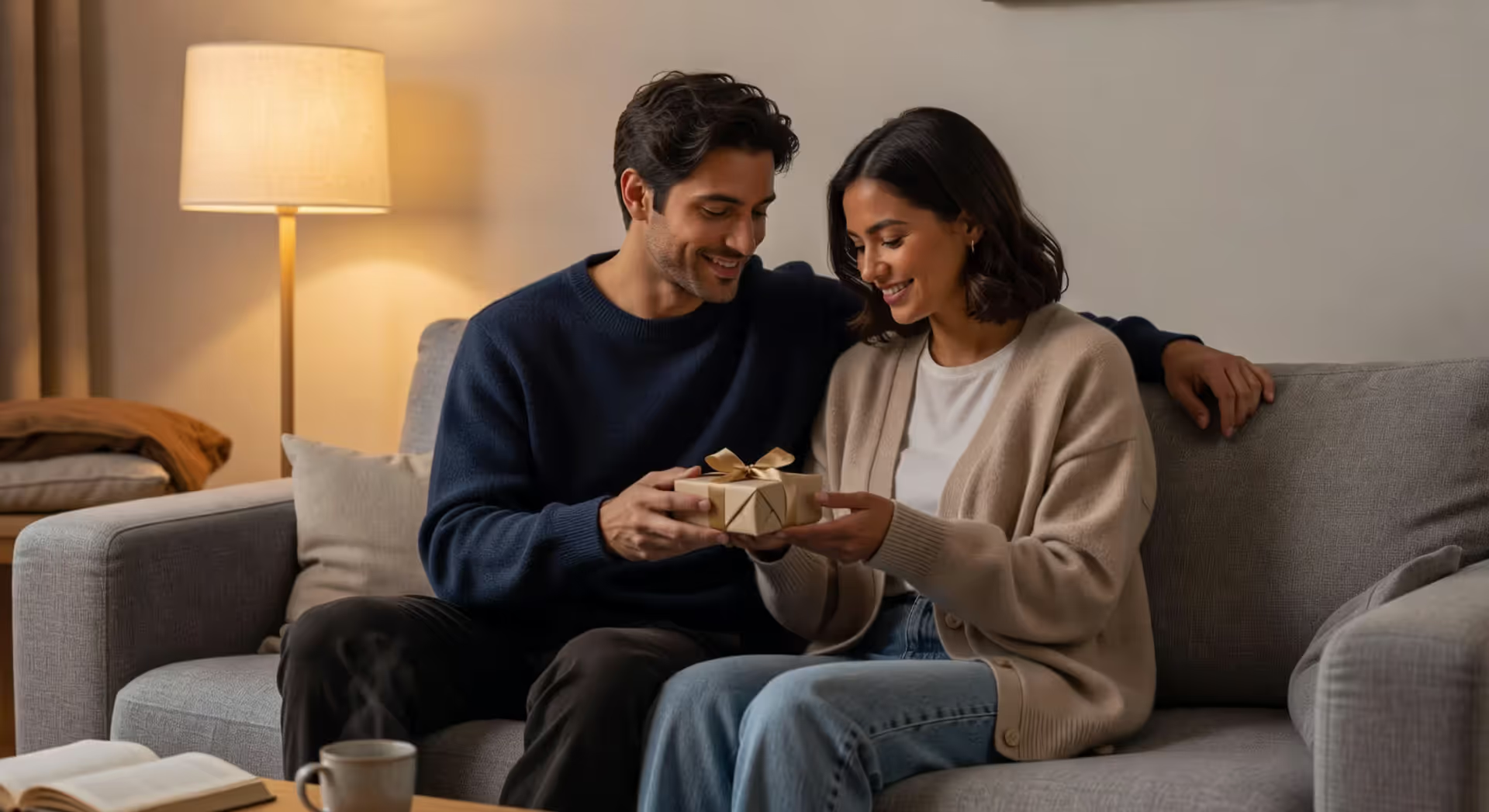
Home proposals are underrated. They're private, comfortable, and there's something deeply meaningful about proposing in the space you've built together (or will build together).
Cook their favorite meal, set up candles, put together a photo timeline of your relationship displayed around the room. Or keep it simple: propose during your regular movie night on the couch. The surprise factor is huge when they're not expecting anything formal.
One couple I know recreated their first date at home—same takeout food, same movie, same terrible wine they couldn't afford to replace back then. He proposed during the credits. She said it was perfect because it reminded her why she fell in love with him in the first place: he paid attention to details that mattered.
The downside? You won't have that dramatic backdrop for photos. But you can hire a photographer to hide in another room or outside if you want the moment captured professionally.
Outdoor and Adventure Proposals
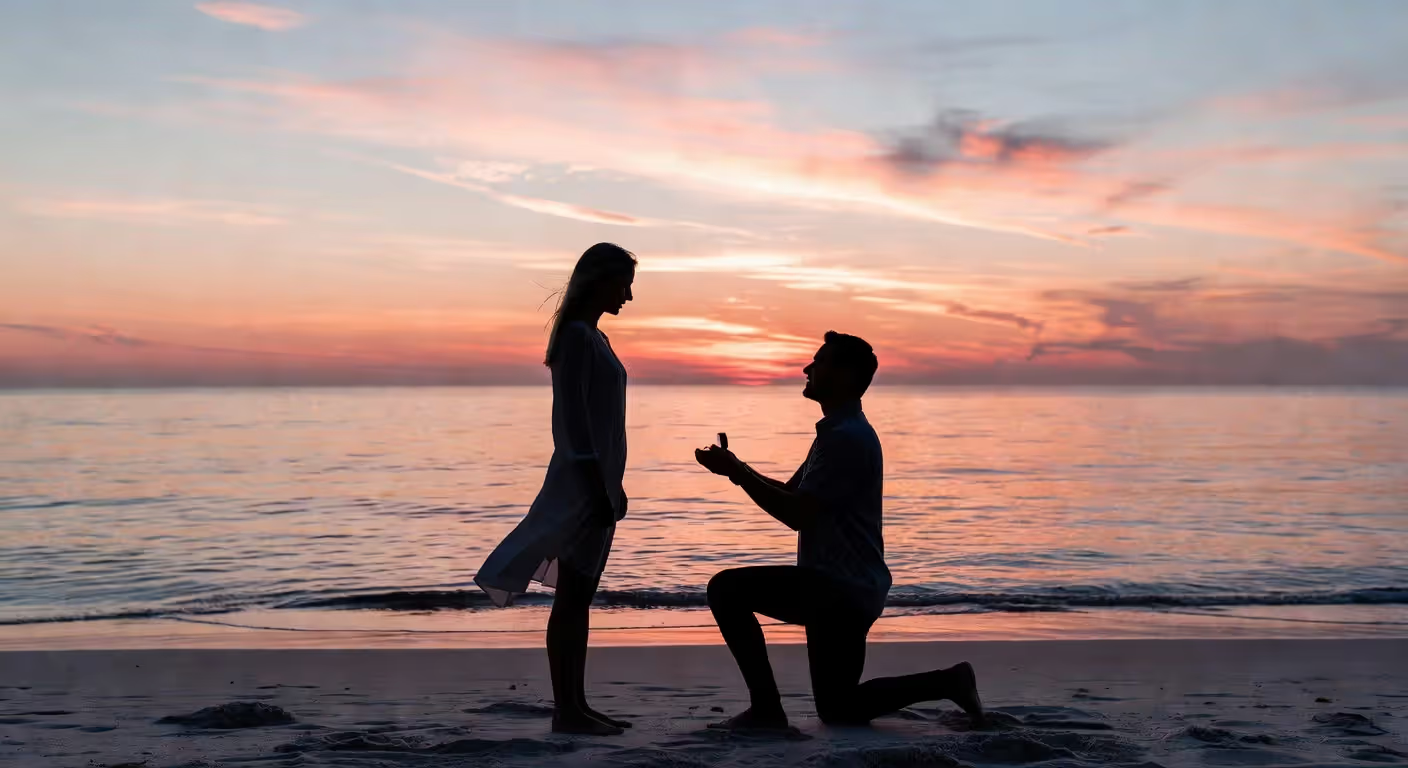
Nature proposals offer stunning visuals and a sense of occasion. Popular spots include beaches at sunset, mountain summits after a hike, scenic overlooks, botanical gardens, or even your favorite local park.
Weather is your biggest risk here. Have a backup plan. If you're hiking to a specific viewpoint and it's pouring rain, are you comfortable proposing at the trailhead instead? Or would you rather reschedule?
For adventure proposals—rock climbing, skydiving, scuba diving—make absolutely sure your partner actually enjoys that activity and won't be too terrified or exhausted to appreciate the moment. Proposing at the summit after a brutal 10-mile hike sounds romantic until you realize they're dehydrated, sunburned, and just want to sit down.
Permits and permissions: some popular proposal spots (national parks, certain beaches, public gardens) require permits for professional photography or setups involving props. Check ahead.
Public vs. Private Proposals
Public proposals divide people sharply. Some love the grand gesture and shared celebration. Others find them mortifying.
Know your partner. Have they ever expressed feelings about public proposals? Do they hate being the center of attention? Are they extremely private about your relationship? If yes to any of these, skip the Jumbotron proposal.
Public proposals work best when: your partner loves attention, you've discussed marriage openly and know they'll say yes, the setting is meaningful to you both (like where you first met), and you've arranged for friends and family to be there to celebrate immediately after.
Private proposals work best when: your partner is shy or introverted, you want an emotionally vulnerable moment without an audience, you're less certain about their answer and don't want public pressure, or you simply prefer intimacy over spectacle.
The middle ground: semi-private proposals in beautiful public spaces (a quiet corner of a museum, a scenic overlook with few people around, a restaurant where you have a private table but not a whole production).
Author: Naomi Bellamy;
Source: nappyheadedlovestories.com
How to Propose to a Woman: Personalizing Your Approach
Traditional elements still matter to many women, even in 2026. The down-on-one-knee gesture, the surprise factor, the ring presented in a box—these visuals carry emotional weight because they signal intentionality and effort.
But tradition should be a starting point, not a script. What matters most is showing that you know her. If she's mentioned wanting a proposal that involves her family, include them. If she's said she'd die of embarrassment with a public proposal, don't do it. If she's hinted (or outright stated) she wants input on the ring, propose with a placeholder or shop together first.
Common expectations to consider: most women want the proposal to feel like a surprise in timing, even if they know it's coming eventually. They want you to have put thought into the moment—it doesn't have to be expensive, but it should feel planned, not like an afterthought. And they want to feel beautiful and prepared—which is why "surprise" proposals where she's in sweatpants with no makeup after a stomach bug rarely go over well.
Reading her cues matters. If she's been dropping hints about proposals, showing you rings, or asking pointed questions about your future timeline, she's ready. If she seems hesitant about marriage in general, pumps the brakes when you talk about the future, or has recently said she wants to focus on career/school/other goals first, wait.
One mistake people make: assuming a woman wants a fairy-tale proposal just because she's a woman. Some women prefer low-key, practical, or even humorous proposals. Match the proposal style to her personality, not to gender stereotypes.
How to Propose to a Man: Breaking Gender Norms
Women proposing to men is still less common, but it's growing steadily. In 2026, about 8-10% of proposals are initiated by women—up from roughly 5% a decade ago.
The mechanics are the same: you still need a plan, possibly a ring (though many couples shop together after a woman-initiated proposal), and words to express why you want to marry him.
Cultural considerations vary. In some families or communities, a woman proposing is seen as unconventional but sweet. In others, it might face resistance or confusion. Think about how important family approval is to both of you and whether you want to have any conversations beforehand.
Making him feel celebrated is key. Men receive fewer romantic gestures in general, so a proposal is a chance to make him feel cherished and valued. Focus on what makes him feel loved—maybe that's words of affirmation, maybe it's a meaningful experience, maybe it's involving his close friends.
Some women worry about "emasculating" their partner by proposing. Here's the thing: if your partner would genuinely feel emasculated by you proposing, you have bigger relationship dynamics to address before marriage. A secure man will be thrilled that you love him enough to take the initiative.
Ring or no ring? It's up to you. Some women propose with a men's engagement ring (yes, they exist—usually simpler bands). Some propose with a watch or other meaningful gift. Some propose with nothing physical and shop together afterward. All valid.
The simpler option usually wins here: focus on heartfelt words and a meaningful moment rather than elaborate production. Most men prefer straightforward emotional honesty over choreographed spectacle.
What to Say When You Propose
This is the part that terrifies people most. What if you freeze? What if you ramble? What if you forget everything you planned?
First, know that you don't need a perfect speech. You need genuine emotion and a clear question. That's it.
Structure your words loosely around three points: why you love them, why you want to marry them specifically (not just "I love you" but "I want to build a life with you"), and the actual question.
Here's a simple example: "I've been thinking about this moment for months. You make every single day better just by being in it. You're the person I want to come home to, the person I want to build a family with, the person I want to grow old with. I can't imagine my life without you in it. Will you marry me?"
That's 60 seconds. It's enough.
Balancing emotion and brevity is tricky. You want to say enough that the moment feels weighty and meaningful, but not so much that you're giving a 10-minute monologue while they're crying and waiting for the question. Aim for one to three minutes max.
Avoid common mistakes: don't apologize for being nervous (it's endearing, not a flaw), don't make jokes that undercut the seriousness of the moment unless humor is central to your relationship, don't bring up past relationships or mistakes, and don't hedge ("I know this might seem fast, but..." or "I hope this isn't too much pressure...").
Practice your words out loud a few times beforehand. You don't need to memorize a script, but hearing yourself say the key phrases helps them feel more natural in the moment.
And if you do freeze? It's okay. Take a breath, laugh at yourself, and say, "I had a whole thing planned, but all I can think right now is that I love you and I want to marry you." That works too.
Author: Naomi Bellamy;
Source: nappyheadedlovestories.com
Common Proposal Mistakes and How to Avoid Them
Timing errors sink more proposals than anything else. Don't propose during a stressful period (finals week, major work deadline, family crisis), right after a big fight, or when you haven't been together long enough to know each other's marriage goals.
Also, don't propose on a major holiday or their birthday unless you're absolutely certain they want that. Many people hate having their proposal "share" a day with another celebration, and it can feel like you took the easy way out instead of creating a unique moment.
Privacy issues: assuming they want a public proposal when they don't, or inviting family/friends to witness without being certain your partner wants that. Even if they say yes, they might resent the pressure or exposure.
Ring problems: proposing with a ring that's clearly not their style (a huge diamond when they wear minimalist jewelry, yellow gold when they only wear silver), wrong size by multiple sizes, or a ring that's way outside your budget and creates financial stress.
Involving too many people in the planning can lead to the proposal feeling more like a performance for others than an intimate moment between you two. It's fine to get help with logistics, but the core moment should be about the two of you.
Ignoring your partner's preferences is the biggest mistake. If they've told you they hate surprises, don't make it a surprise. If they've shown you specific rings they love, don't pick something completely different because you think you know better. If they've said they want to be dressed up and photo-ready, don't propose when they're in gym clothes.
One couple's story: he proposed at a family gathering because he thought she'd love being surrounded by loved ones. She said yes but later admitted she was mortified because she hates being the center of attention and would have preferred a private moment. They're happily married now, but it's a reminder that even with the best intentions, ignoring known preferences can create complicated feelings.
Proposal Setting Comparison
| Setting | Typical Cost | Privacy Level | Weather Dependent | Planning Complexity | Best For Personality Type |
| At Home | $0-$300 | Very High | No | Low | Introverts, homebodies, those who value intimacy over spectacle |
| Restaurant | $200-$800 | Medium | No | Low-Medium | Foodies, those who love dining experiences, semi-private preference |
| Beach | $100-$500 | Medium-High | Yes | Medium | Romantics, nature lovers, those who want beautiful photos |
| Hiking/Adventure | $50-$1,500 | High | Yes | Medium-High | Active couples, adventurers, those who bond through shared experiences |
| Public Landmark | $200-$1,000 | Low | Varies | Medium | Extroverts, those who love grand gestures, people comfortable with attention |
| Destination | $1,500-$5,000+ | Varies | Yes | High | Travel enthusiasts, those wanting a proposal/vacation combo, couples who love adventure |
The proposals that couples remember most fondly aren't the most expensive or elaborate—they're the ones where the person proposing clearly paid attention to what mattered to their partner. I've photographed proposals in five-star restaurants and in living rooms, and the emotion is identical when it's done right. The best proposals feel inevitable, like this was always going to happen, but still surprising in the moment.
— Martinez Elena
FAQ: Marriage Proposal Questions Answered
Proposing marriage is a big deal, but it doesn't have to be perfect to be meaningful. What matters is that it's honest, thoughtful, and true to who you are as a couple. Whether you propose at home in your pajamas or on a mountaintop at sunrise, the moment becomes special because of the commitment you're making, not the production value. Trust yourself, trust your partner, and focus on the life you're about to start building together. That's what they'll remember.
Related Stories
Read more
Read more


The content on this website is provided for general informational and educational purposes only. It is intended to explain concepts related to relationships, dating, marriage, emotional intimacy, attachment styles, and breakup recovery.
All information on this website, including articles, guides, and examples, is presented for general educational purposes. Outcomes and relationship experiences may vary depending on individual circumstances.
This website does not provide professional counseling, therapy, or legal advice, and the information presented should not be used as a substitute for consultation with qualified mental health professionals or relationship counselors.
The website and its authors are not responsible for any errors or omissions, or for any outcomes resulting from decisions made based on the information provided on this website.