
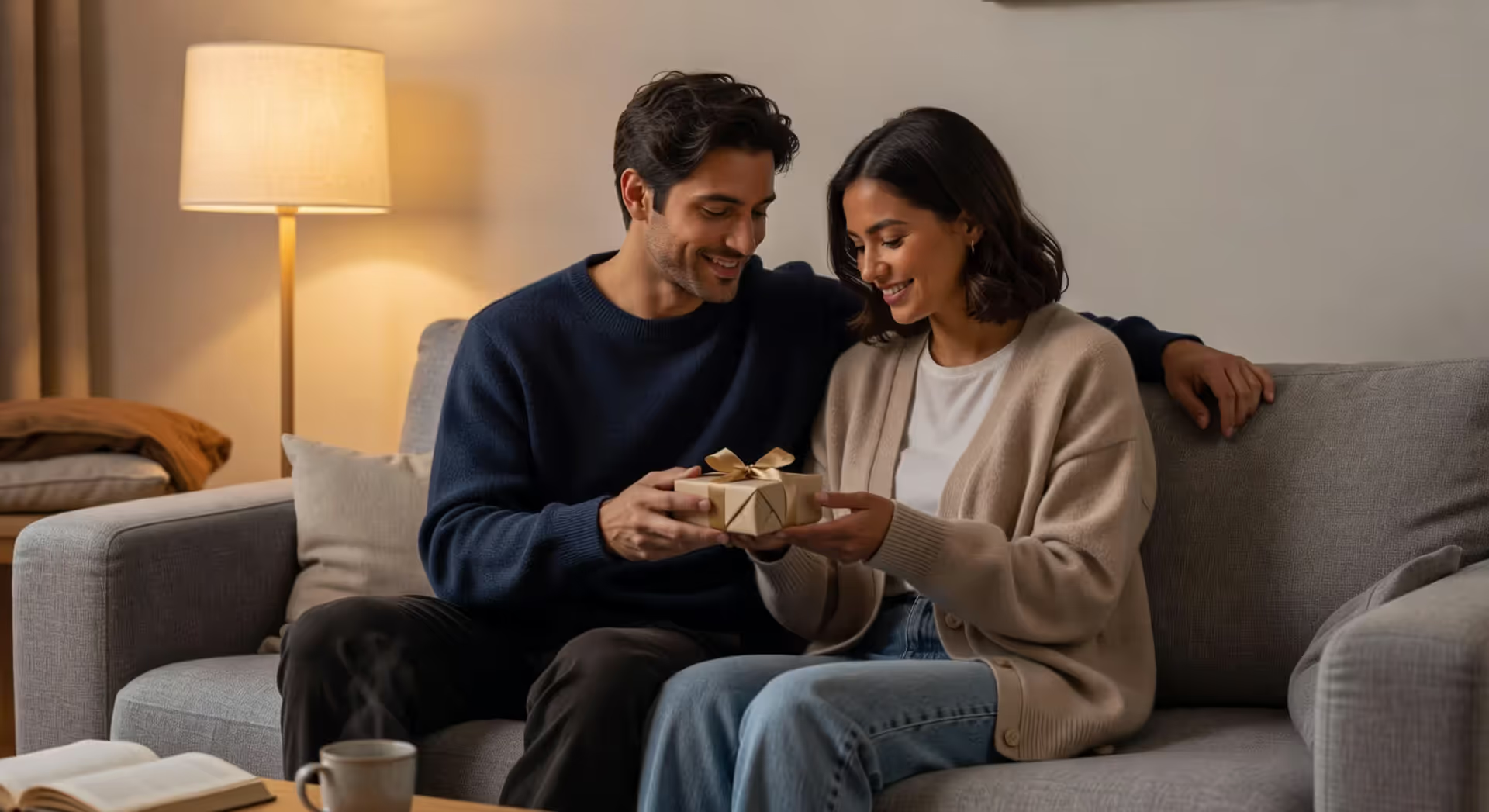
Romantic Gestures for Your Partner That Feel Natural and Thoughtful
Romantic Gestures for Your Partner

When you're dating someone, the pressure to show you care can feel overwhelming. You want to make an impression without coming on too strong. You want to be romantic without being cheesy. The good news? The most meaningful romantic gestures for your partner aren't the ones that cost a fortune or require elaborate planning. They're the small, thoughtful acts that show you're paying attention.
Consistent small gestures create emotional security in ways that occasional grand displays simply cannot. When someone knows you're thinking of them regularly, trust deepens naturally.
The pattern I see most often is people overthinking romance. They wait for the perfect moment or the perfect idea, and meanwhile, they miss dozens of opportunities to show they care. Real connection builds through consistency, not perfection.
Why Small Romantic Gestures Matter More Than Grand Displays
Here's something counterintuitive: the $200 bouquet of roses makes less of an impact than remembering your partner mentioned they loved lavender and bringing home a single stem the next week. Why? Because the second gesture proves you were listening. It shows effort that's personal, not performative.
Research on relationship satisfaction consistently shows that frequency beats magnitude. Couples who report the highest satisfaction aren't the ones taking monthly weekend getaways—they're the ones who do small gestures that show love several times per week. A text during a stressful workday. A favorite snack picked up on the way home. Taking out the trash without being asked.
These small gestures that show love work because they create what psychologists call "positive sentiment override." Basically, when you accumulate enough small positive interactions, your partner starts interpreting even neutral actions more favorably. You're building a reservoir of goodwill.
In early relationships, this matters even more. You're establishing patterns. Your partner is learning whether you're someone who follows through, someone who notices details, someone who thinks about them when they're not around. Grand gestures can actually backfire here—they can feel like too much pressure or like you're trying to buy affection.
The timing changes things too. What feels romantic at six months might feel insufficient at six years, and vice versa. A handwritten love letter on your third date? Probably intense. That same letter on your third anniversary? Absolutely perfect.
The most meaningful romantic gestures aren’t the grand ones everyone notices—they’re the small, thoughtful moments that quietly remind someone they matter every single day.
— Ashley Garner
How to Choose the Right Romantic Gesture for Your Situation
Not every thoughtful romantic act lands the same way with every person. The key is matching your gesture to both your partner's preferences and where you are in the relationship.
Reading Your Partner's Love Language
You've probably heard about love languages—the five ways people prefer to give and receive affection. They're not just pop psychology; they're genuinely useful for figuring out how to show someone you like them.
If your partner lights up when you compliment them, words of affirmation are probably their thing. Leave them notes. Send thoughtful texts. Tell them specifically what you appreciate about them.
Physical touch people want hugs, hand-holding, a hand on the small of their back in public. Even non-sexual touch matters enormously to them.
Quality time folks don't care much about gifts—they want your undivided attention. Put your phone away. Plan activities you do together. The gesture here is your presence.
Acts of service people feel loved when you do things for them. Cook dinner. Fill their gas tank. Handle the annoying task they've been dreading.
Gift people genuinely appreciate tangible tokens. But here's the thing: it's not about cost. It's about thoughtfulness. The perfect $8 item they mentioned weeks ago beats a generic expensive gift every time.
Most people have a primary and secondary language. Pay attention to what they do for you—people often show love the way they want to receive it.
Timing and Relationship Stage Considerations
Early dating (first few weeks to three months) calls for lighter romantic things to do early in a relationship. You're establishing interest without overwhelming someone. Think: remembering their coffee order, suggesting an activity based on something they mentioned, sharing an article about their hobby.
Avoid: expensive gifts, meeting family, declarations of deep feelings, or anything that assumes a committed future together.
Newer relationships (three to nine months) give you more room. You've established that you're actually dating. You can plan more elaborate date nights, give more personal gifts, and be more vulnerable. But you're still learning each other.
This is when you can start doing cute gestures for a new partner that show you've been paying attention: planning a date around their favorite cuisine, making a playlist of songs that remind you of them, buying tickets to see their favorite band.
Established relationships need gestures that acknowledge your history together. Inside jokes, recreating meaningful moments, gifts that reference shared experiences. The romance here comes from "I know you" rather than "I'm trying to impress you."

Author: Evelyn Hartleigh;
Source: nappyheadedlovestories.com
Sweet and Simple Gestures That Show You Care
The best sweet things to do for your partner don't require much time or money. They require attention and intention.
Remember and act on details. Your partner mentions they're out of their favorite tea. You pick some up. They say they've been meaning to try that new taco place. You suggest it for Friday. This is the foundation of all good romantic gestures—proof that you listen.
Leave notes. Stick a post-it on their laptop before work. Slip a card into their bag. Text them something specific you appreciate about them (not just "thinking of you"—tell them what you're thinking). Written words create something they can return to.
Create something for them. Make a playlist. Draw something, even if you're terrible at drawing. Write them a poem. The amateur quality makes it more personal, not less. You spent time making something that exists only because of them.
Handle something they hate. Everyone has tasks they dread. If you know your partner despises making phone calls, offer to handle the one they've been avoiding. If they hate grocery shopping, do it for them. Acts of service are incredibly romantic when they're specific to your partner's preferences.
Surprise them with their favorite small thing. Their favorite candy bar. That specific brand of chips they love. A coffee from their favorite shop. These cost a few dollars but say "I thought about you today."
Plan something they'd plan. If your partner always handles date planning, take it over completely for one night. If they always cook, you cook. The gesture is taking something off their plate while doing it their way.
Share your world. Show them the song that got you through a hard day. Tell them about the article that made you think. Introduce them to your favorite walking route. Vulnerability is romantic.
Physical affection without expectation. A long hug when they get home. Playing with their hair while you watch TV. A shoulder massage with no agenda. Touch that says "I want you to feel good" rather than "I want something."
Remember important things. Their big presentation is Thursday. Their friend's surgery is tomorrow. Their favorite show drops a new season Friday. Set reminders if you need to. Check in about these things. Caring about what they care about is one of the most thoughtful romantic acts you can do.
Here's how different gestures stack up in terms of effort and impact:
| Gesture | Time Required | Approximate Cost | Best Relationship Stage | Impact Level |
| Thoughtful good morning text | 2 minutes | Free | Any stage | Medium |
| Bringing their favorite coffee | 15 minutes | $5-8 | Early dating onward | High |
| Handwritten note | 10 minutes | $1-2 | Any stage | High |
| Planning a surprise date | 1-2 hours | $20-100 | 3+ months | Very high |
| Creating a personalized playlist | 30-45 minutes | Free | 1+ months | High |
| Cooking their favorite meal | 1-2 hours | $15-40 | 2+ months | Very high |
| Remembering and asking about something important to them | 1 minute | Free | Any stage | Very high |
| Small gift related to their interests | 30 minutes shopping | $10-30 | 1+ months | Medium-high |
| Handling a task they've been dreading | 30 minutes - 2 hours | Varies | 3+ months | High |
| Weekend getaway surprise | Several hours planning | $200-500 | 6+ months | Very high |
The highest-impact gestures aren't necessarily the most expensive or time-consuming. They're the ones that show you know your partner specifically.

Author: Evelyn Hartleigh;
Source: nappyheadedlovestories.com
Planning Memorable Date Night Experiences
Planning a date night for your partner goes beyond just picking a restaurant. The most memorable dates have a personal element—something that shows you designed this experience with them in mind.
Recreate your first date (with upgrades). Go back to the same coffee shop, the same park, the same restaurant. But this time, you've made a reservation, you've planned what comes next, you've thought it through. It's nostalgic and forward-looking at the same time.
Theme the entire evening. Pick a country and commit: cook food from that place, watch a movie set there, play music from there. Or pick a decade. Or a color. The slight absurdity of a theme makes it fun, and the effort you put into details makes it romantic.
Cook together, not for them. Cooking for someone is nice. Cooking with someone is better. Pick a challenging recipe you've both never tried. Open wine. Make a mess. The collaboration matters more than the result.
Create an experience at home that feels special. You don't need to go out for a date to feel like a date. Set up a projector in the backyard. Build a blanket fort. Have a fancy dinner on the floor with candles. The novelty of doing something unexpected at home can beat another dinner out.
Plan around their interests, not yours. If your partner loves bookstores and you're indifferent, plan an evening that starts at three different bookstores, then dinner at a place with a literary theme. The creative romantic ideas for dating that work best are the ones that say "I want to spend time in your world."
Build in a surprise element. Don't reveal the whole plan. Tell them to be ready at 6pm and wear comfortable shoes. The anticipation adds to the experience. Just make sure the surprise matches their personality—some people love surprises, others find them stressful.
Do something neither of you have done. A cooking class. An escape room. Axe throwing. Pottery painting. Shared new experiences create stronger memories than repeated familiar ones.
The common mistake here is planning the date you'd want rather than the date they'd want. If your partner hates crowds and you plan a surprise concert, you've created stress, not romance. Know your audience.
Creative Surprise Ideas That Won't Overwhelm Someone New
When you're figuring out surprise ideas for someone you are dating, especially early on, the balance is tricky. You want to show you're interested and thoughtful, but you don't want to scare them off with intensity.
The book they mentioned. This is a nearly perfect early-relationship gesture. They mentioned a book once, maybe weeks ago. You remembered, you bought it, you give it to them casually. It's $15 and it proves you listen. Hard to go wrong here.
A small adventure. "Hey, want to drive an hour and check out that weird roadside attraction?" or "There's a hiking trail I've been wanting to try—want to come?" Small adventures are low-pressure but memorable. You're creating a story together.
Care package during stress. If your partner is dealing with finals, a big work deadline, or a family situation, a small care package hits perfectly. Snacks, tea, a stress ball, a card. You're not trying to fix their problem—you're just showing you're thinking about them during a hard time.
Tickets to something small. Not a weekend trip or an expensive concert. A local comedy show. A minor league baseball game. A community theater production. Something that says "I'd like to spend an evening with you doing something different" without the pressure of a major event.
Make something ordinary special. They need to run errands Saturday? Offer to come along and make it fun—stop for coffee, play their favorite music, turn it into time together. The gesture is wanting to be with them even during boring tasks.
Share your favorite spot. Take them to the place you go when you need to think. Your favorite breakfast spot. The park where you run. You're letting them into your life, which is intimate without being overwhelming.
Plan based on something they're missing. They mentioned they haven't been to the beach all summer. They said they miss the Sunday farmers market they used to go to. They talked about wanting to see fall leaves. You plan a date around that thing. It shows you're paying attention to what they want, not just what you want to do.
The key to how to impress someone you are dating is showing that you see them clearly. The surprise that lands isn't the biggest or most expensive—it's the one that makes them think, "How did you know I'd love this?"

Author: Evelyn Hartleigh;
Source: nappyheadedlovestories.com
Common Mistakes When Trying to Impress Someone You're Dating
Even with good intentions, romantic gestures can miss the mark. Here's where people typically go wrong.
Too much too soon. The most common mistake. You're excited, you want to show you care, so you go big—expensive gifts, elaborate plans, intense declarations. But two months in, that reads as either love-bombing or not respecting appropriate pacing. Scale your gestures to your relationship stage.
Ignoring what they've actually told you. Your partner mentions they don't like surprises. You plan a surprise party. They tell you they're trying to save money. You book an expensive weekend. They say they need space this week. You show up with dinner. Listen to what people tell you about what they need, even when it contradicts your romantic vision.
Performative gestures. There's a difference between doing something because it would make your partner happy and doing something because it makes you look like a good partner. If you're thinking more about how the gesture reflects on you than how it will make them feel, that's performative. People can sense this.
Not reading their reactions. You try a romantic gesture and they seem uncomfortable or give a lukewarm response. Instead of adjusting, you double down—maybe they didn't understand how romantic it was, maybe you need to do more. No. If something doesn't land, pull back and pay attention to what does work for them.
Copying what worked for someone else. Your friend's partner loved the surprise weekend trip, so you book one too. But your partner has anxiety about last-minute changes and unplanned time off work. What's romantic for one person can be stressful for another. Customize.
Forgetting the follow-through. You plan an amazing date, bring flowers, say all the right things—then don't text for three days. Or you're consistently romantic for two weeks, then nothing for a month. Inconsistency undermines all your gestures. Frequency matters more than intensity.
Making it about what you want. "I planned this romantic dinner" at a restaurant you love but they're indifferent about. "I bought you lingerie" that's really for your benefit. "I booked us a camping trip" when they've mentioned they hate camping. If the gesture is primarily about your preferences, it's not actually romantic.
The simpler option usually wins here. When in doubt, smaller and more personal beats bigger and more generic.
FAQ: Romantic Gestures and Dating Etiquette
The best romantic gestures aren't the ones you see in movies. They're the ones that show you've been paying attention to this specific person—their preferences, their needs, their love language. They're the small consistent acts that build trust and connection over time. Start simple. Notice what makes your partner light up. Do more of that. Romance isn't complicated; it's just sustained thoughtfulness.
Related Stories
Read more

Read more




The content on this website is provided for general informational and educational purposes only. It is intended to explain concepts related to relationships, dating, marriage, emotional intimacy, attachment styles, and breakup recovery.
All information on this website, including articles, guides, and examples, is presented for general educational purposes. Outcomes and relationship experiences may vary depending on individual circumstances.
This website does not provide professional counseling, therapy, or legal advice, and the information presented should not be used as a substitute for consultation with qualified mental health professionals or relationship counselors.
The website and its authors are not responsible for any errors or omissions, or for any outcomes resulting from decisions made based on the information provided on this website.