
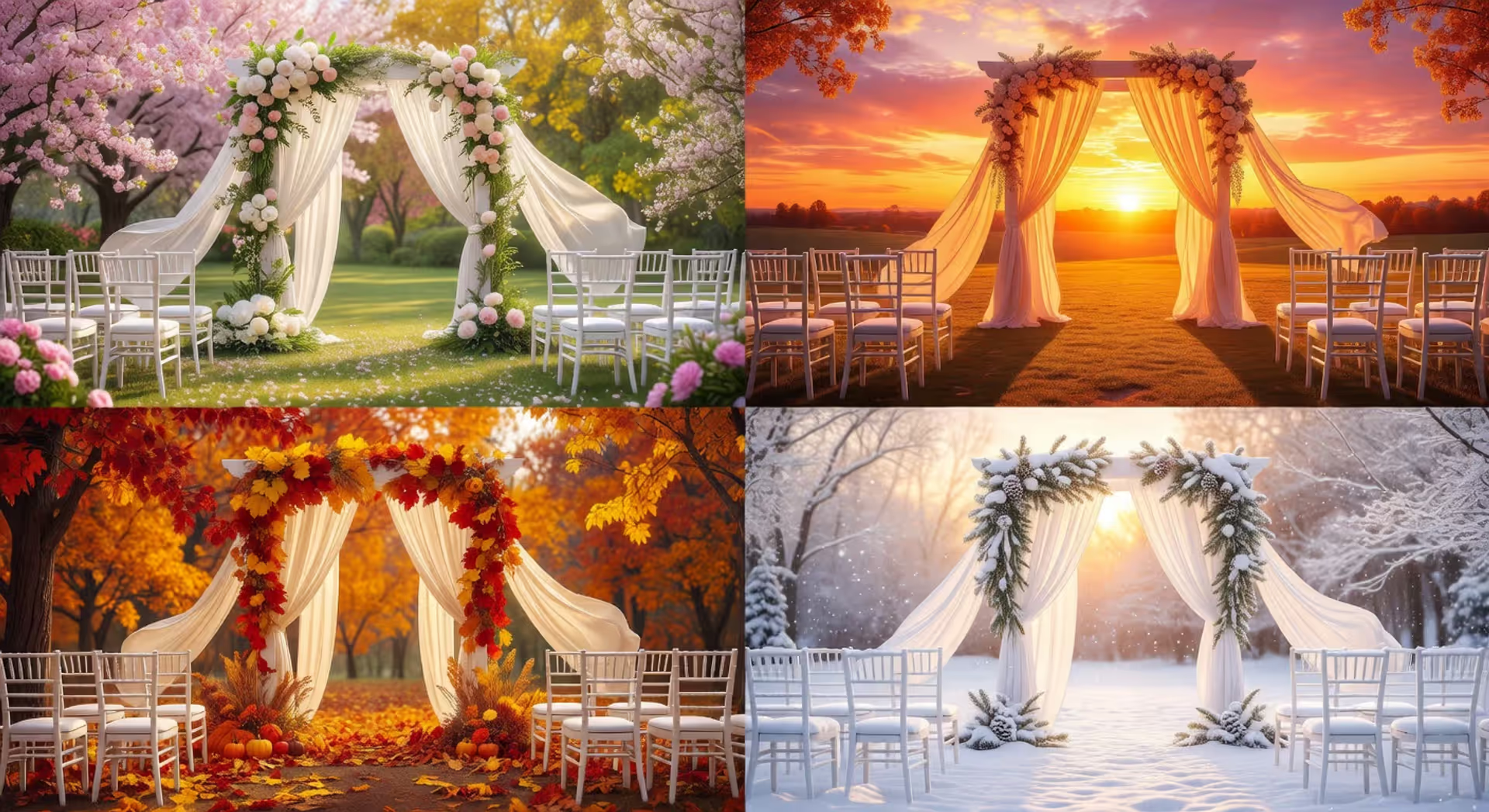
How to Choose the Best Month to Get Married
How to Choose the Best Month to Get Married?

Content
Content
Planning a wedding means making hundreds of decisions, but one of the first and most important is picking your date. The month you choose ripples through every other aspect of your celebration—from what you'll pay to what your guests will wear. Some couples lock in their date based on a meaningful anniversary, while others prioritize weather, budget, or venue availability. There's no universal "perfect" month, but understanding how each season affects your wedding will help you make the right choice for your celebration.
What Makes a Wedding Month "Best" for Your Celebration
The best time of year for a wedding ceremony depends entirely on what matters most to you as a couple. Weather predictability ranks high for many—nobody wants rain on their outdoor ceremony. But cost often weighs just as heavily. Peak season venues can charge double what they do in January.
Venue availability matters more than most couples initially realize. That dream barn or garden estate? It's probably booked 12-18 months out for September and October Saturdays. Choosing a wedding season strategically might mean you can book your first-choice location on a shorter timeline.
Guest convenience deserves consideration too. Summer dates work well for teachers and families with school-age children. But they conflict with vacation plans. Winter dates around major holidays sound romantic until half your guest list has prior commitments.
Personal meaning can outweigh all practical factors. If you met in December, that snowy wedding might be worth the logistical challenges. The pattern I see most often is couples trying to balance three priorities: weather, budget, and a date that feels significant to them.
Most Popular Wedding Months in the US
Wedding season in America has clear peaks. September and October dominate, followed closely by May and June. These four months account for nearly half of all US weddings, according to industry data.
Why the concentration? Weather plays the biggest role. Late spring and early fall offer the goldilocks zone—not too hot, not too cold, and relatively dry in most regions. Long daylight hours help too, especially for photography.
But popularity comes with trade-offs. These most popular wedding months mean higher prices, less venue availability, and more competition for quality vendors. Your photographer's best Saturday in October? Probably booked two years out.
Here's how the months stack up:
| Month | Popularity Rank | Avg. Temp Range (°F) | Venue Availability | Cost Level | Key Considerations |
| January | 12 | 30-45 | Excellent | Budget | Holiday recovery, winter weather risks |
| February | 11 | 35-50 | Excellent | Budget | Valentine's Day premium (14th only), shorter month |
| March | 8 | 45-60 | Very Good | Moderate | Spring break conflicts, unpredictable weather |
| April | 6 | 55-70 | Good | Moderate | Rain showers, Easter conflicts, pollen |
| May | 3 | 65-75 | Limited | Premium | Memorial Day weekend, prom season |
| June | 4 | 70-80 | Limited | Premium | Graduation season, summer vacation starts |
| July | 7 | 75-85 | Good | Moderate | Peak heat, Independence Day conflicts |
| August | 9 | 75-85 | Very Good | Moderate | Heat and humidity, back-to-school timing |
| September | 1 | 65-75 | Very Limited | Premium | Perfect weather, football season, high demand |
| October | 2 | 55-70 | Very Limited | Premium | Fall foliage, comfortable temps, Halloween |
| November | 5 | 45-60 | Good | Moderate | Thanksgiving conflicts, hunting season |
| December | 10 | 35-50 | Excellent | Budget | Holiday conflicts, winter weather, festive ambiance |
Weather considerations for weddings vary dramatically by region, of course. These temperatures represent national averages. A June wedding in Phoenix faces very different challenges than one in Seattle.
Author: Lucas Merriweather;
Source: nappyheadedlovestories.com
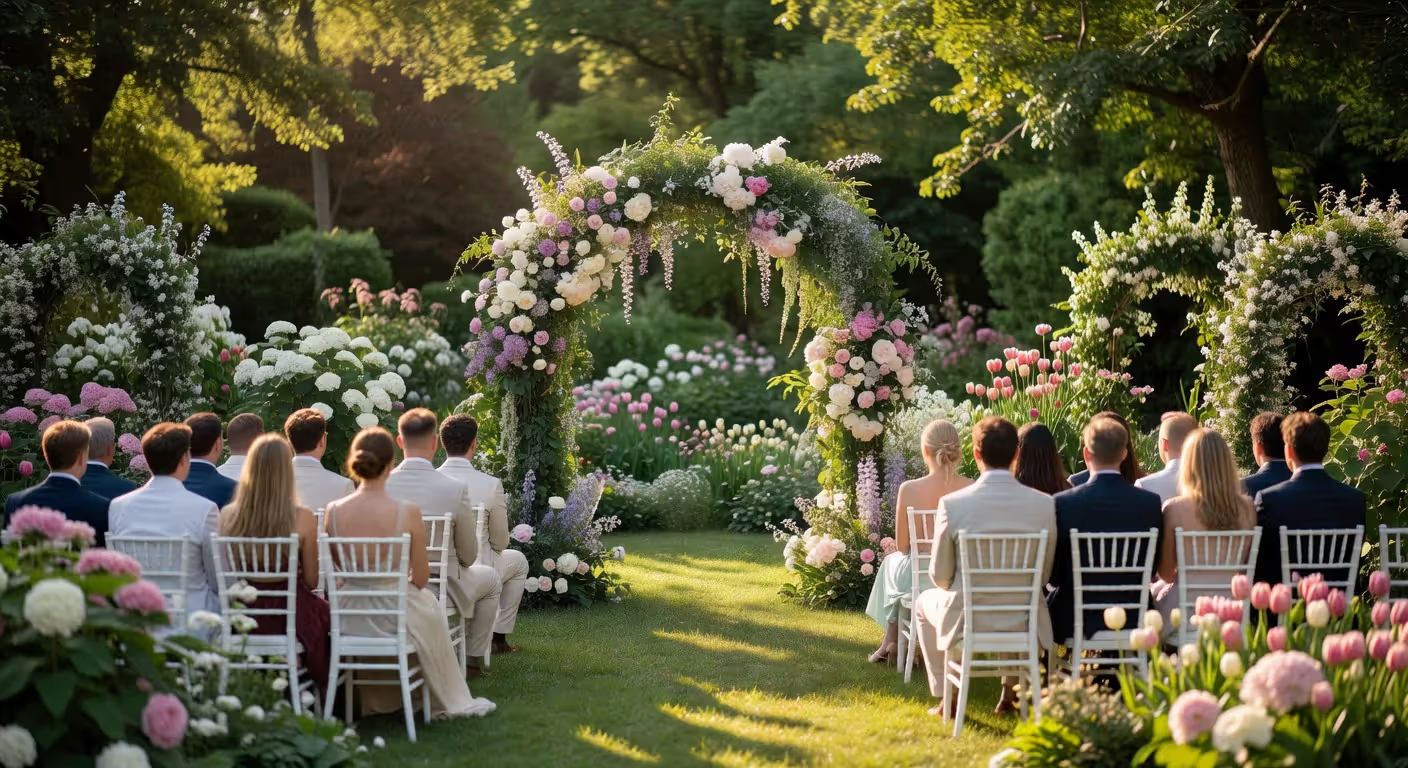
Spring Wedding Pros and Cons
Spring weddings from March through May offer some of the year's most beautiful natural backdrops. Gardens burst into bloom, temperatures moderate, and everything feels fresh and new. It's no accident that May ranks as one of the most popular wedding months.
The pros start with aesthetics. Spring flowers cost less than at other times because they're in season. Tulips, peonies, cherry blossoms—they're abundant and gorgeous. Natural venue decorations practically take care of themselves when the landscape cooperates.
Pricing sits in the moderate range for most spring dates. You'll pay more than winter but less than peak fall. March especially offers good value, though you're gambling more on weather. April and May inch toward premium pricing as demand increases.
Guest attendance tends to be strong. No major holiday conflicts (except Easter, which moves annually). Families can travel without pulling kids from school for extended periods. Spring break can complicate things, but it's usually just one week in March or April depending on your region.
Now for the cons. Spring weather is notoriously unpredictable. That perfect 70-degree forecast can turn into a thunderstorm or an unseasonable cold snap. When to have a wedding by season means accepting some risk, and spring carries more than fall.
Rain is the biggest concern. April showers aren't just a saying. You'll need a solid backup plan for any outdoor elements. Tents, covered spaces, or flexible venues that work indoors and out are smart investments.
Pollen can be brutal for allergy sufferers. If you or key family members have seasonal allergies, think twice about peak bloom times. Outdoor cocktail hours become miserable when everyone's sneezing.
One mistake couples make: booking a spring wedding without considering ground conditions. That beautiful garden venue might have muddy paths after spring rains. Heels and mud don't mix.
Summer Wedding Advantages and Challenges
Summer weddings dominate the calendar for good reason. June through August offers long daylight hours, warm weather, and a relaxed vacation vibe that guests appreciate. But these summer wedding advantages and challenges require careful weighing.
The biggest advantage? Daylight. Sunset doesn't arrive until 8 or 9 PM in many locations, giving you gorgeous natural light for photos and outdoor celebrations that extend well into the evening. You can start your ceremony at 5 PM and still have hours of sunshine.
Vacation timing works well for many guests. Teachers have summers off. Families plan around school breaks. People generally feel more relaxed and willing to travel. Destination weddings particularly thrive in summer months.
Outdoor venue options explode. Beaches, gardens, lakesides, mountain resorts—they're all accessible and appealing. You can plan al fresco dining without as much weather backup anxiety as spring.
But summer wedding advantages and challenges go hand in hand. Heat is the primary concern. A 95-degree August afternoon makes everyone miserable, no matter how beautiful your venue. Guests wilt. Makeup runs. Elderly relatives struggle.
Humidity compounds the problem in many regions. The Southeast and Midwest can be oppressive. Even "dry heat" western locations hit dangerous temperature levels. Afternoon ceremonies become genuinely uncomfortable.
Peak pricing hits hard. June commands premium rates at virtually every venue and vendor. You're competing with every other couple who wants that perfect summer wedding. Expect to pay 20-40% more than off-season rates.
Vacation schedules cut both ways. Yes, people have time off—but they've also made other plans. Beach houses, family reunions, international trips. Your summer wedding might conflict with standing vacation traditions.
September and October bookings at our venue fill up 18 to 24 months in advance, while we often have January and February dates available just six months out. Couples who are flexible on season can access their dream location and save 30 percent or more. The trade-off is usually just weather unpredictability and possibly a shorter guest list due to holiday conflicts.
— Martinez Elena
Fall Wedding Ideas and Benefits
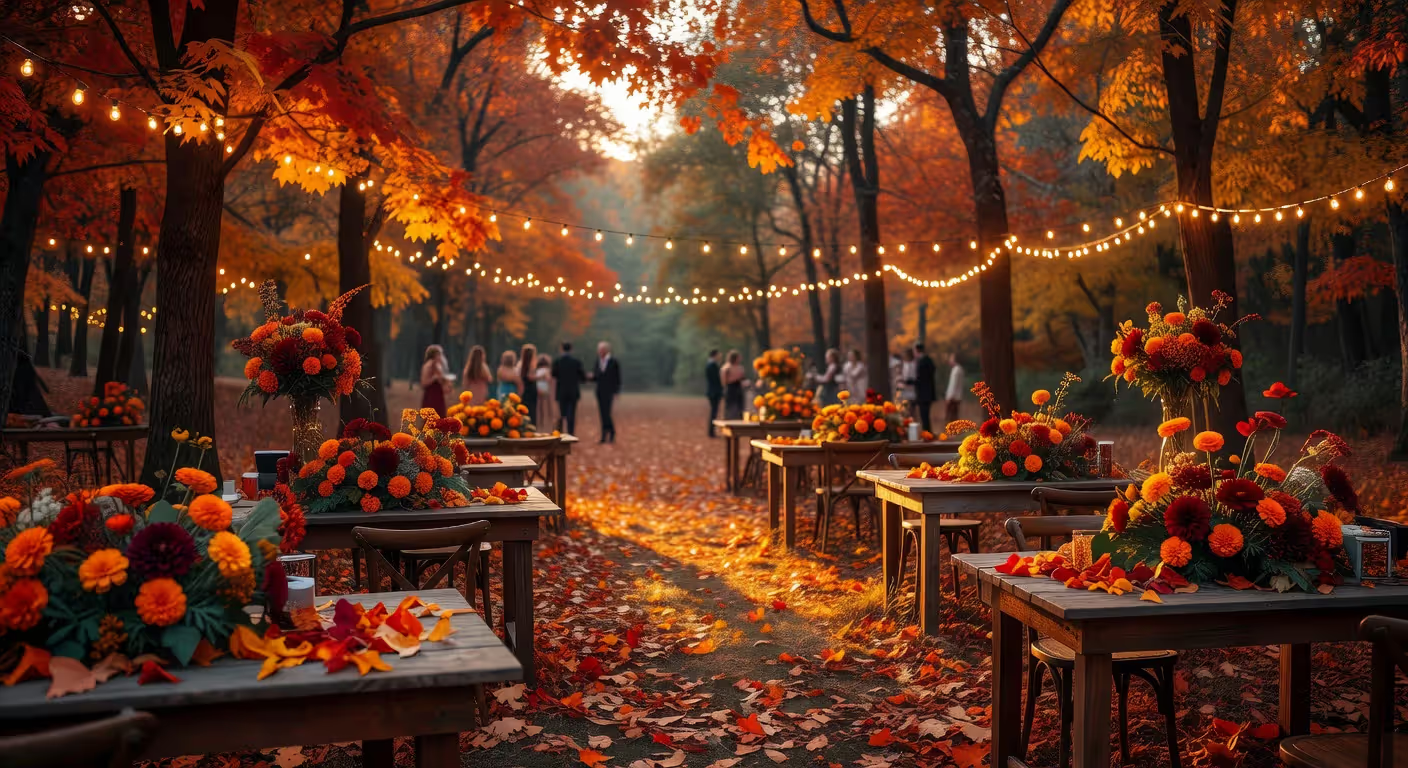
Fall weddings have surged to the top of popularity rankings, and it's easy to see why. September through November delivers comfortable temperatures, stunning natural colors, and a cozy atmosphere that needs minimal enhancement. These months represent peak wedding season in most of the US.
The fall wedding ideas and benefits start with the obvious: foliage. Nature provides a color palette that would cost thousands to recreate artificially. Deep reds, burnt oranges, golden yellows—they're everywhere. Your photos will be spectacular with minimal effort.
Temperature-wise, fall hits the sweet spot. Most regions see daytime highs in the 60s and 70s, perfect for outdoor ceremonies and indoor receptions. Cool enough that nobody overheats, warm enough that light jackets suffice.
Author: Lucas Merriweather;
Source: nappyheadedlovestories.com
Seasonal food and drink options shine. Apple cider, pumpkin flavors, hearty comfort foods, mulled wine—fall menus feel special and appropriate. Harvest themes work naturally without feeling forced.
Lighting is a photographer's dream. That soft, golden autumn light creates magical images. Shorter days mean sunset arrives during typical reception hours, giving you that perfect golden hour glow.
But these benefits come at a cost—literally. Fall wedding ideas and benefits attract so many couples that demand drives prices up. September and October command premium rates comparable to June. Competition for venues and vendors is fierce.
Availability is the real challenge. Popular fall Saturdays book out 18-24 months in advance at desirable venues. If you're hoping for a short engagement, fall might not be realistic unless you're flexible on location or day of the week.
Football season creates unexpected conflicts, especially in college towns and regions with passionate fan bases. A Saturday wedding during a big game can impact attendance and accommodation availability. Some couples embrace it; others regret not checking the schedule.
Weather isn't guaranteed. Early September can still be hot in many areas. Late November brings winter weather risks. That picture-perfect October day could be 50 degrees and rainy instead of 70 and sunny.
Thanksgiving dominates late November, essentially eliminating the last two weeks of the month for most couples. Nobody wants to compete with family holiday obligations.
Winter Wedding Advantages
Winter weddings from December through February get overlooked, but they offer compelling benefits for couples willing to embrace the season. The winter wedding advantages start with cost savings and extend to unique aesthetic opportunities.
Budget-friendly pricing is the biggest draw. Venues and vendors offer their lowest rates during winter months, often 30-40% below peak season. That dream venue that's out of reach in October? It might be affordable in January.
Availability is excellent. You can book on much shorter timelines—sometimes just 6-8 months out instead of 18-24. You'll have your pick of vendors, too. Photographers and florists who are booked solid for fall often have open winter dates.
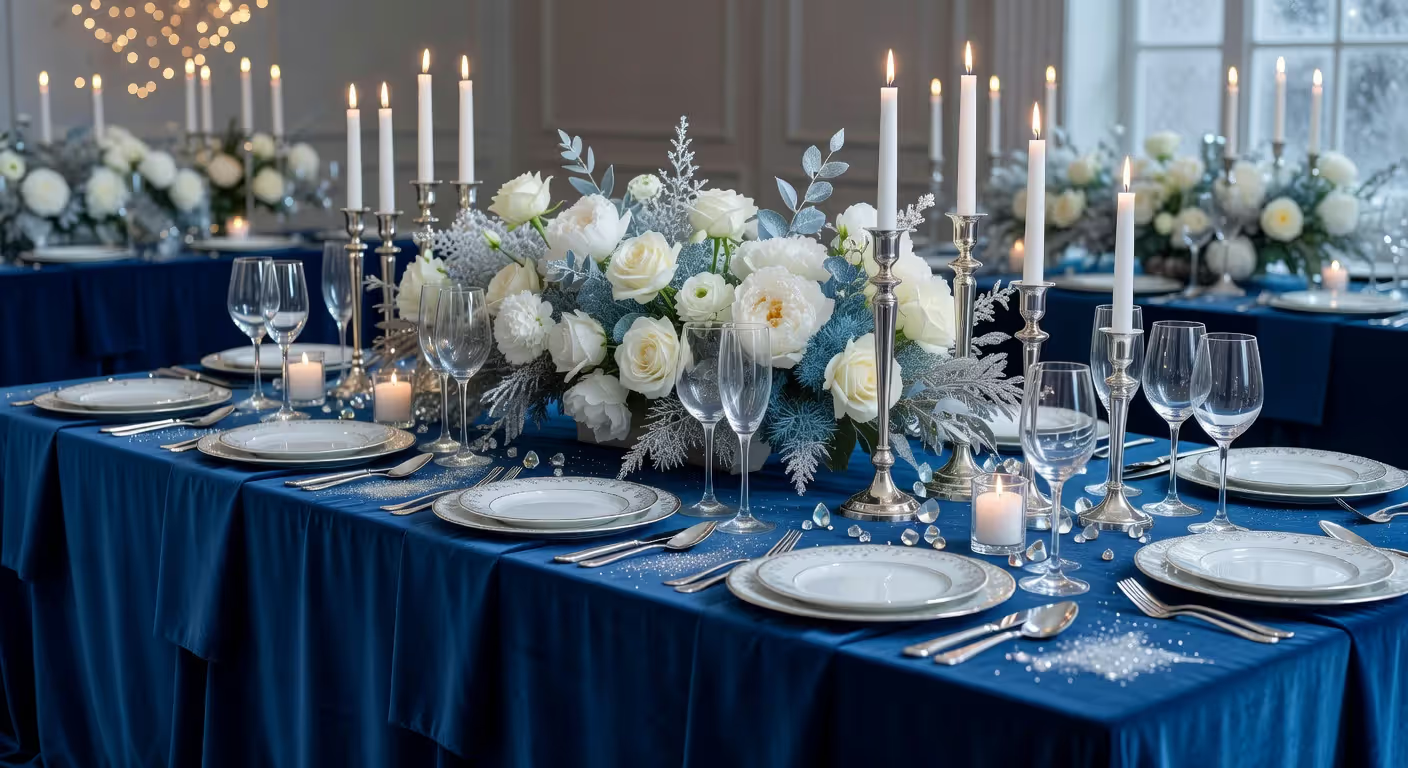
The romantic ambiance of winter weddings is distinctive. Candlelight, rich fabrics, dramatic lighting—they all feel appropriate and elegant. December weddings especially benefit from existing holiday decorations at many venues.
Cozy elements work naturally. Fireplaces, warm cocktails, comfort food menus, fur wraps, rich color palettes. You can create an intimate atmosphere that's harder to achieve in summer's casual brightness.
Indoor venues shine in winter. That ballroom or historic mansion that feels stuffy in July becomes perfect in January. You're not sacrificing outdoor space because nobody wants to be outside anyway.
Snow can be magical for photos—if it cooperates. A light dusting creates a fairytale backdrop. Just don't count on it or let it become a requirement.
The downsides require honest assessment. Weather risks are real. Snowstorms can strand guests or force cancellations. Ice makes travel dangerous. You need solid contingency plans and flexible expectations.
Holiday conflicts are unavoidable in December. Guests juggle family obligations, work parties, and travel plans. Your wedding becomes one more commitment in an already packed season. Some people simply can't attend.
Daylight hours are limited. Sunset arrives by 5 PM in many locations, constraining your timeline for photos and outdoor elements. You'll work around darkness more than light.
Guest comfort varies. Some people love winter celebrations; others dread cold-weather travel and formal events during a season they'd rather spend in sweats by the fire.
Author: Lucas Merriweather;
Source: nappyheadedlovestories.com
How Season Affects Your Wedding Beyond the Date
How season affects your wedding extends far beyond just picking a date on the calendar. Your chosen time of year influences dozens of practical decisions, from what you'll wear to what you'll serve.
Attire changes significantly by season. Summer weddings call for lightweight fabrics, shorter sleeves, and breathable materials. Winter celebrations allow for heavier gowns, long sleeves, and layers that would be unbearable in July. Your wedding party's comfort depends on season-appropriate clothing choices.
Groomsmen in wool suits during an August outdoor wedding? They'll be miserable. Bridesmaids in strapless chiffon dresses for a February ceremony? They'll freeze during photos.
Menu options shift with the seasons. Light, fresh dishes work for summer—think salads, grilled fish, fruit-based desserts. Fall and winter invite hearty options like braised meats, root vegetables, and rich desserts. Seasonal ingredients taste better and cost less.
Beverage choices follow similar patterns. Signature cocktails using summer berries, autumn apple cider, winter hot chocolate bars—they all feel appropriate in context and awkward out of season.
Decor needs vary dramatically. Summer weddings can rely on natural light and minimal decoration. Winter celebrations need more lighting, candles, and visual warmth to compensate for darkness and bare landscapes. Your floral budget might double in winter if you want the same lush look that happens naturally in May.
Color palettes feel more authentic when they match the season. Pastels in spring, bright colors in summer, jewel tones in fall, deep rich hues in winter. You can break these conventions, but working with them usually produces more cohesive results.
Photography considerations change with available light. Summer's long days give your photographer hours to work with. Winter's short daylight means careful timeline planning to capture outdoor shots. Golden hour happens at different times, affecting your ceremony and reception schedule.
Guest comfort requires different solutions by season. Summer needs shade, fans, cold drinks, and maybe even sunscreen baskets. Winter requires heated spaces, warm welcome drinks, and clear paths through snow or ice.
Outdoor elements need weather-appropriate backup plans. Spring and fall require tent or indoor options for rain. Summer needs shade structures. Winter makes most outdoor elements impractical except for brief moments.
Timeline flexibility varies by season. Summer's late sunsets let you start ceremonies at 6 PM with plenty of light. Winter ceremonies need to happen by 3 or 4 PM if you want any natural light at all.
One aspect couples often miss: seasonal allergies and health concerns. Spring pollen affects many guests. Summer heat poses risks for elderly or pregnant guests. Winter brings cold and flu season. These factors influence not just your planning but potentially your attendance.
FAQ: Wedding Timing Questions Answered
Your wedding date sets the stage for everything that follows. The right month balances your priorities—whether that's perfect weather, manageable costs, or a date with personal significance. Don't let popular opinion override what actually matters to you. A February wedding can be just as magical as an October one if it fits your vision and circumstances. Start by identifying your non-negotiables, research your options thoroughly, and remember that every season offers unique opportunities to create a celebration that's authentically yours.
Related Stories
Read more
Read more


The content on this website is provided for general informational and educational purposes only. It is intended to explain concepts related to relationships, dating, marriage, emotional intimacy, attachment styles, and breakup recovery.
All information on this website, including articles, guides, and examples, is presented for general educational purposes. Outcomes and relationship experiences may vary depending on individual circumstances.
This website does not provide professional counseling, therapy, or legal advice, and the information presented should not be used as a substitute for consultation with qualified mental health professionals or relationship counselors.
The website and its authors are not responsible for any errors or omissions, or for any outcomes resulting from decisions made based on the information provided on this website.