
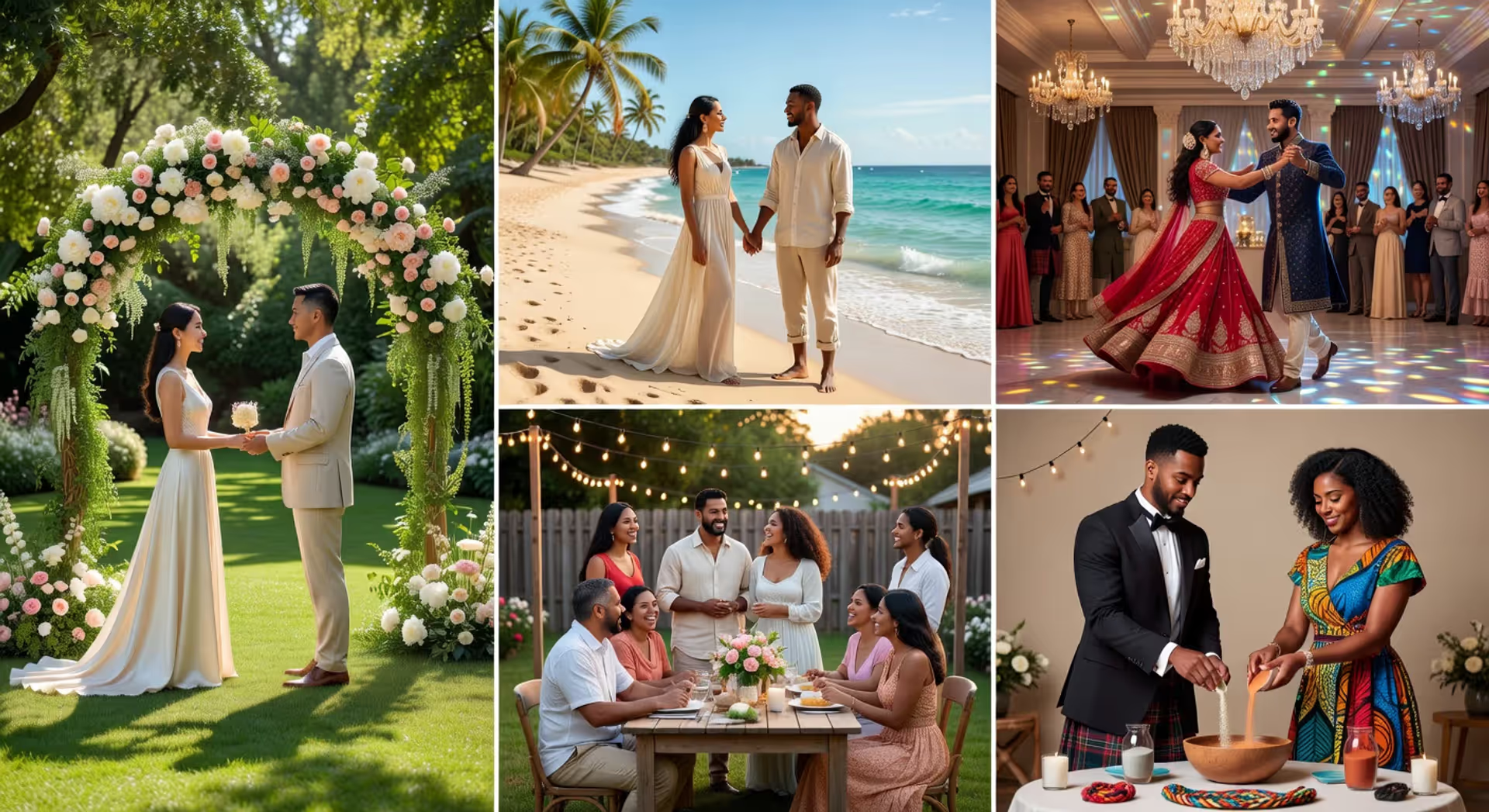
Types of Weddings Guide for Modern Couples
Types of Weddings Guide for Modern Couples

Planning a wedding means choosing from more types of ceremonies and celebrations than ever before. The days when every couple followed the same script are long gone. Now you can pick a format that actually fits your life, your budget, and your vision.
This guide walks you through the main types of weddings available today. You'll learn what sets them apart, what they cost, and how to decide which one works for you. Whether you're dreaming of a backyard barbecue or a black-tie ballroom affair, there's a wedding style that matches.
How Wedding Styles Have Changed Over Time
Weddings looked pretty similar fifty years ago. Most couples married in a church or synagogue, wore formal attire, and hosted a sit-down dinner reception. The guest list often topped 200 people, and families followed traditions passed down for generations.
That started shifting in the 1990s. Couples began personalizing ceremonies, choosing non-religious officiants, and moving celebrations outdoors. By the 2010s, the "Pinterest wedding" era arrived—DIY details, rustic venues, and Instagram-worthy moments became priorities.
Today's landscape is even more diverse. Modern wedding types reflect how people actually live. Couples prioritize experiences over formality. They blend cultures, skip traditions that don't resonate, and create celebrations that feel authentic.
The average US wedding now costs around $33,000, but that number hides enormous variation. You'll find $5,000 backyard gatherings and $150,000 destination extravaganzas. Both are completely normal. The shift isn't just about money—it's about choice. Different wedding styles serve different needs, and there's no single "right" way anymore.
Traditional vs Contemporary Wedding Formats
The split between traditional and contemporary weddings isn't always clean. Many couples mix elements from both. But understanding the core differences helps you decide what matters to you.
Traditional weddings follow established patterns. They typically include religious or formal ceremonies, receiving lines, seated dinners, father-daughter dances, and bouquet tosses. The timeline is predictable: ceremony at 4 PM, cocktail hour, dinner at 6 PM, dancing until 11 PM.
Contemporary weddings break or bend those rules. Couples write their own vows, skip the receiving line, serve food truck tacos, or end with a late-night pizza delivery. The ceremony might happen at sunset with guests standing in a circle. The reception might feel more like a party than a formal dinner.
Here's how they compare:
| Element | Traditional Wedding | Contemporary Wedding |
| Ceremony structure | Religious officiant, standard readings, traditional vows | Secular officiant, personalized readings, custom vows |
| Attire | Formal gown and tuxedo, wedding party in matching outfits | Wide range from formal to casual, mismatched bridesmaids common |
| Reception format | Plated dinner, assigned seating, formal toasts | Buffet/stations/family-style, flexible seating, casual speeches |
| Timeline | Strict schedule with clear transitions | Relaxed flow, sometimes combined ceremony and reception space |
| Traditions included | Bouquet toss, garter removal, cake cutting, first dances | Selective—couples choose only meaningful traditions |
The pattern I see most often is couples keeping a few traditional elements that matter to their families while updating everything else. You might have a religious ceremony but skip the receiving line. Or serve a formal dinner but write your own vows.
Religious Wedding Types and Ceremonies
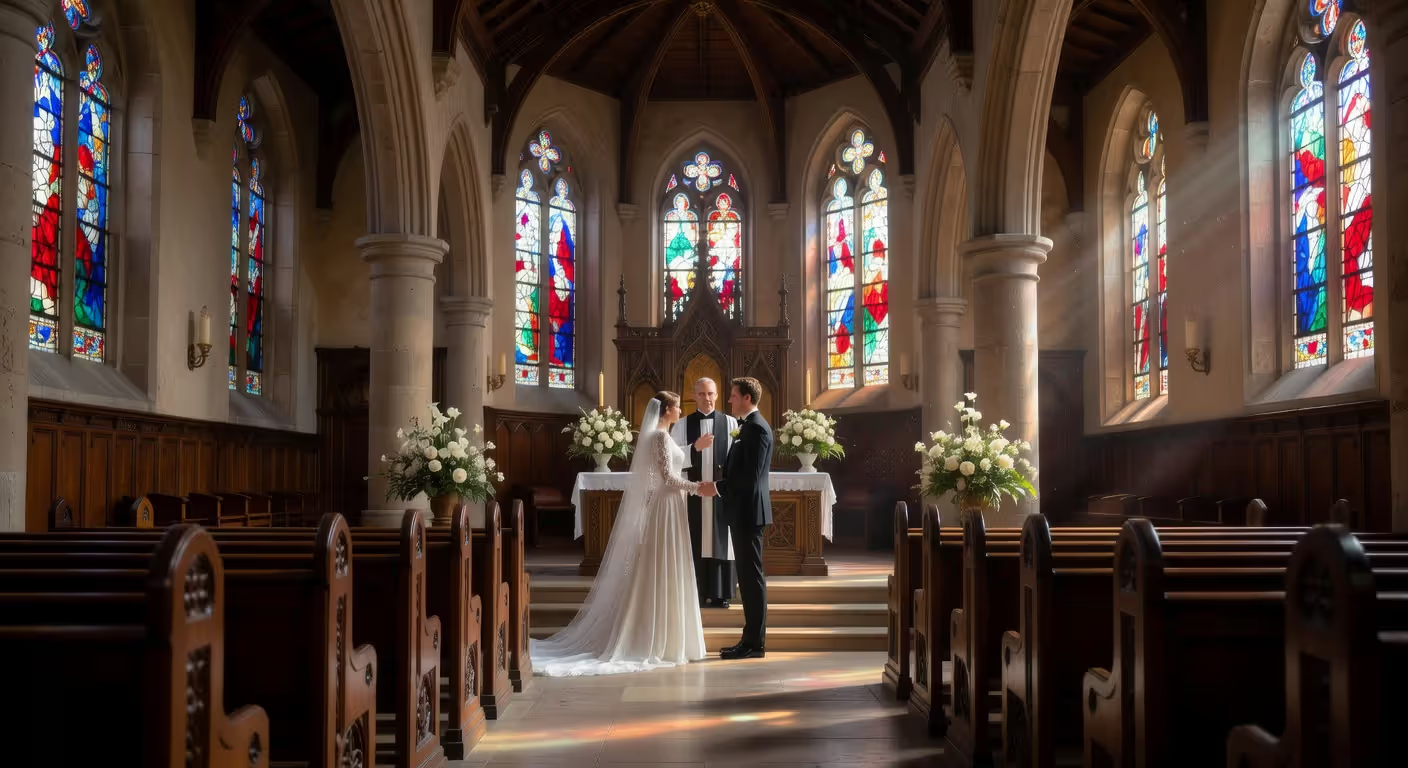
Religious wedding types follow specific requirements set by faith communities. These aren't just preferences—they're often non-negotiable if you want the ceremony recognized by your church, temple, or mosque.
Catholic weddings require a full Mass if both partners are Catholic, pre-marriage counseling (Pre-Cana), and approval from the parish priest. The ceremony follows a set structure with specific readings and prayers. Expect the full event to last 60–90 minutes.
Jewish weddings center on the ketubah (marriage contract) and the chuppah (canopy symbolizing the couple's new home). The ceremony includes the breaking of the glass, seven blessings, and often a hora dance at the reception. Reform, Conservative, and Orthodox traditions vary significantly in their requirements.
Protestant weddings offer more flexibility. Denominations like Methodist, Baptist, and Lutheran each have their own customs, but most allow couples to personalize readings and music within the church's guidelines. The ceremony typically runs 30–45 minutes.
Hindu weddings are multi-day celebrations with rituals like the Mehndi (henna ceremony), Sangeet (musical night), and the main ceremony around the sacred fire. Each ritual carries deep symbolic meaning tied to family, prosperity, and spiritual union.
Muslim weddings center on the Nikah ceremony, where the couple signs a marriage contract in front of witnesses. The Walima (reception) follows, often as a separate event. Customs vary widely between cultural communities—Pakistani, Arab, and Indonesian Muslim weddings look quite different.
Author: Naomi Bellamy;
Source: nappyheadedlovestories.com
Modern Wedding Types Gaining Popularity
Modern wedding types prioritize experience and authenticity over formality. These formats have grown significantly since 2020, when the pandemic forced couples to rethink traditional celebrations.
Micro weddings include 20–50 guests, typically close family and friends. They offer intimacy without the elopement label. Couples spend less on total costs but often more per guest, creating elevated experiences with better food, premium venues, and personalized details.
Elopements now mean more than running away secretly. Modern elopements are planned events with just the couple (or up to 10 people). Many hire photographers and officiants, choosing stunning locations over traditional venues. Adventure elopements in national parks or foreign countries have become especially popular.
Weekday weddings save money and offer better venue availability. Friday weddings have become mainstream, while Tuesday or Wednesday celebrations appeal to budget-conscious couples who don't mind a smaller guest count (some invitees won't travel for a weekday event).
Festival-style weddings borrow from music festival culture—camping, food trucks, lawn games, and multiple entertainment areas. These often span a full weekend with different activities, creating a vacation vibe for guests.
Virtual and hybrid weddings stuck around after 2020. Couples livestream ceremonies for distant relatives or elderly guests who can't travel. Some host a small in-person ceremony with a larger virtual reception later.
Formal Wedding vs Casual Wedding Planning
The formal versus casual decision affects every planning choice you'll make. It's not just about dress codes—it shapes your budget, venue options, and guest experience.
Formal weddings require more lead time, higher budgets, and careful attention to etiquette. You're booking ballrooms, country clubs, or historic estates. Guest counts typically run 100–300 people. Invitations go out 8–12 weeks in advance. You'll hire a full catering team, rent specialty linens, and probably need a day-of coordinator.
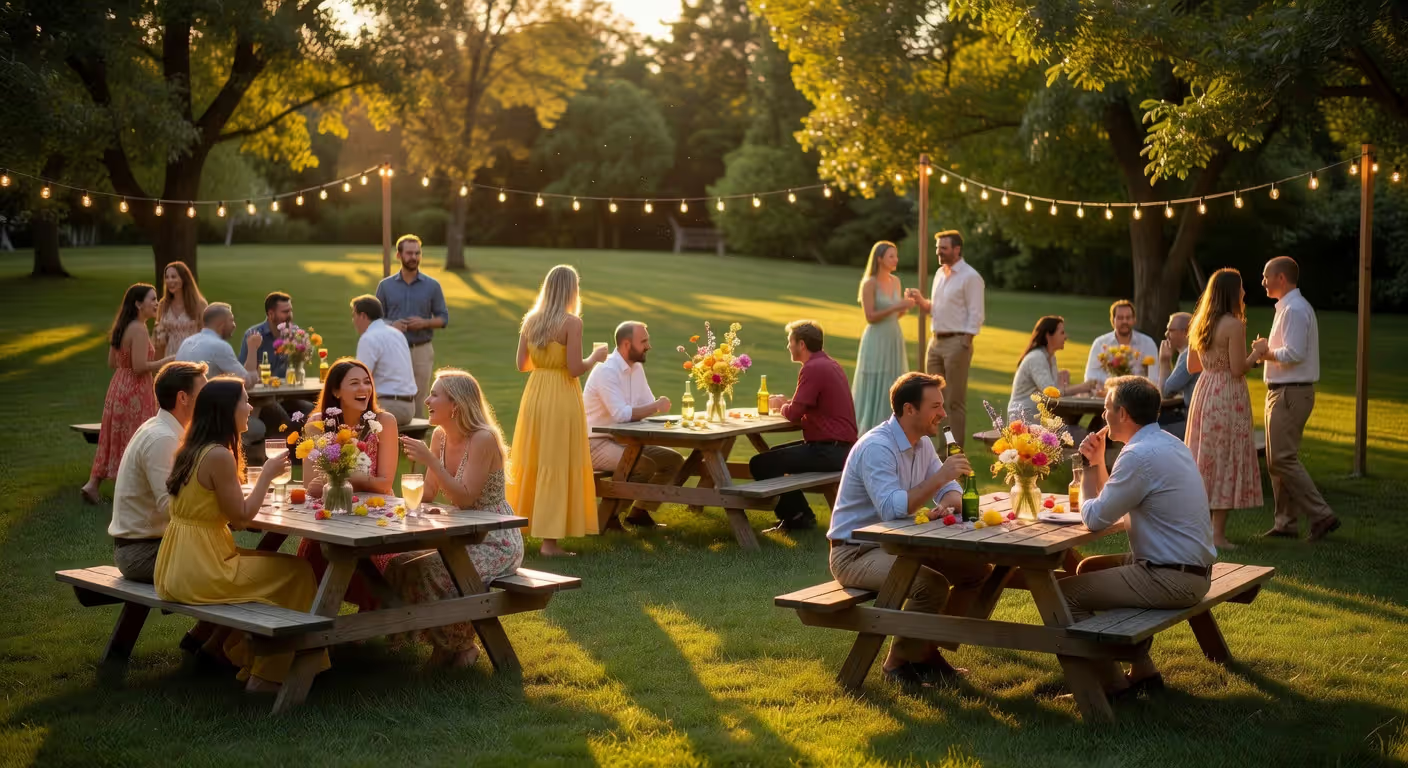
Casual weddings offer flexibility. Backyard celebrations, park pavilions, and restaurant buyouts work well. Guest counts vary widely. You might send digital invitations and plan the whole thing in three months. Catering could mean a taco bar, barbecue, or potluck (yes, wedding potlucks happen and they're great).
Here's the practical breakdown:
| Aspect | Formal Wedding | Casual Wedding |
| Typical venues | Hotel ballrooms, country clubs, historic mansions | Backyards, parks, breweries, beaches, barns |
| Dress code | Black tie or formal attire required | Cocktail, semi-formal, or "dressy casual" |
| Decor style | Elaborate centerpieces, uplighting, draped fabric, specialty rentals | Simple arrangements, string lights, minimal rentals |
| Catering | Plated multi-course dinner with waitstaff | Buffet, family-style, food trucks, or barbecue |
| Average cost range | $40,000–$80,000+ | $8,000–$25,000 |
One mistake couples make: assuming casual means cheap-looking. A well-executed casual wedding still needs planning and design. The difference is you're aiming for relaxed elegance rather than formal grandeur.
Budget plays a role, but it's not the only factor. Some couples can afford a formal wedding but prefer a casual vibe. Others stretch their budget for formality because it matters to their families. Neither choice is wrong.
Think about your guest list. Formal weddings work better when most guests expect traditional celebrations. If your crowd includes lots of young friends, outdoor enthusiasts, or people who hate dressing up, casual might feel more authentic.
Author: Naomi Bellamy;
Source: nappyheadedlovestories.com
Wedding Venue Styles and Settings
Your venue choice defines your wedding more than any other single decision. Location shapes everything—your budget, guest experience, decor needs, and even your timeline.
The venue market has expanded beyond traditional ballrooms and banquet halls. Couples now book art galleries, breweries, summer camps, private islands, and working farms. Each setting creates a different atmosphere and comes with its own logistics.
Indoor venues offer climate control and predictable conditions. You won't worry about rain, heat, or wind. But they often feel more formal and require more decor to personalize the space.
Outdoor venues create natural beauty and photo opportunities. They typically cost less for the space itself. But you'll need backup plans for weather, rentals for everything (tables, chairs, tents), and solutions for restrooms, lighting, and temperature control.
Garden Wedding Style and Outdoor Wedding Ceremony Guide
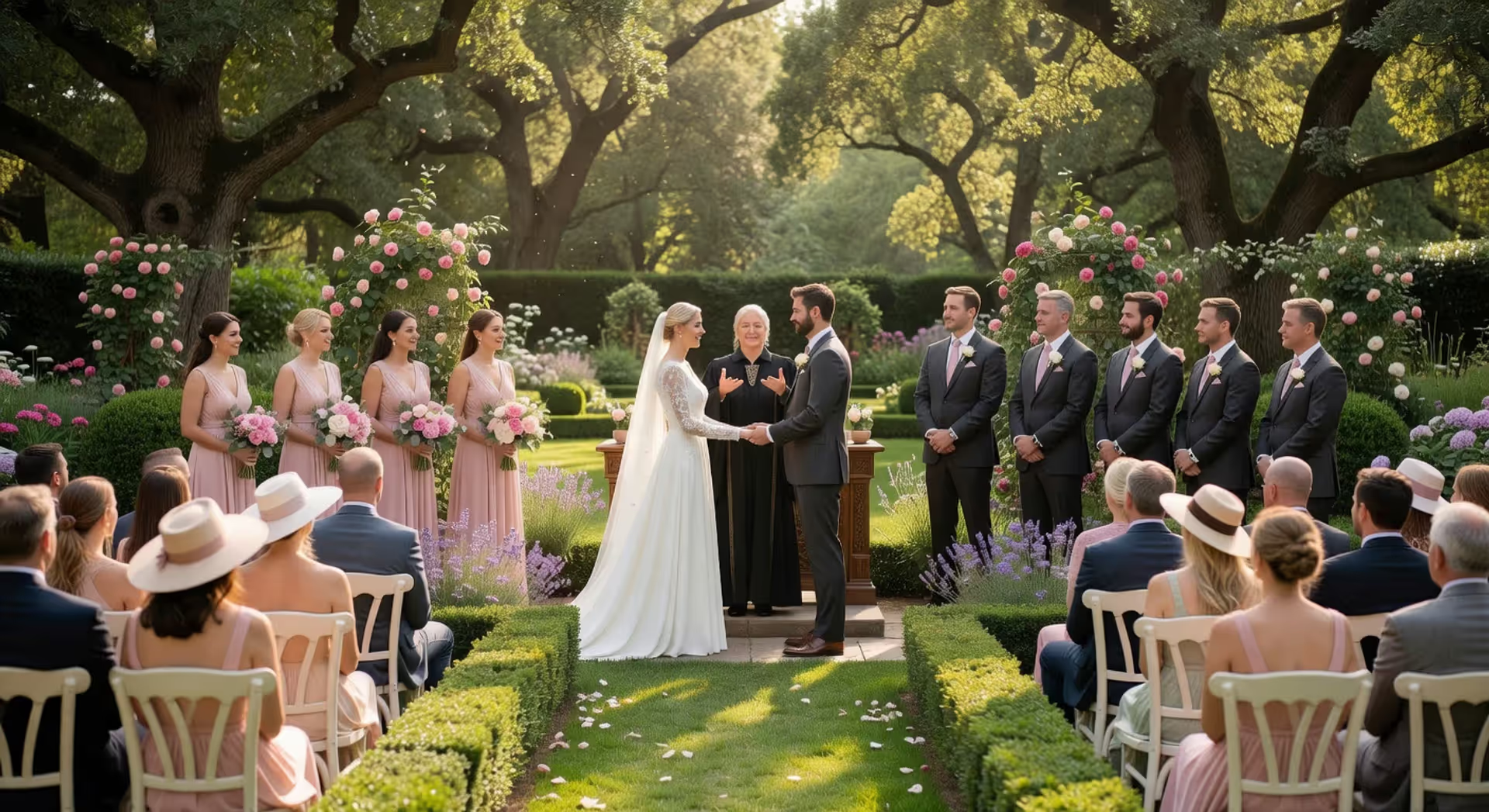
Garden wedding style combines natural beauty with romantic atmosphere. These celebrations happen in botanical gardens, estate grounds, vineyards, or private gardens.
The main advantage? Built-in beauty. You'll spend less on flowers and decor because the landscape provides the backdrop. Garden venues photograph beautifully, especially during golden hour.
But outdoor wedding ceremony planning requires extra attention. Start with timing—spring and fall offer the best weather in most US regions. Summer works if you're prepared for heat (provide fans, shade, cold drinks). Winter outdoor ceremonies are rare but possible in mild climates.
Your outdoor wedding ceremony guide checklist:
Weather backup: Always have a plan B. Tents, covered pavilions, or an indoor space should be ready. Check the forecast three days out and make your final call 24 hours before.
Guest comfort: Provide shade for summer ceremonies, heaters for cool evenings, and blankets for fall events. Flat, stable ground matters—no one wants to sink into grass in heels.
Sound considerations: Outdoor spaces don't contain sound. You'll likely need a microphone and speaker system, even for small gatherings. Wind can make vows inaudible without amplification.
Lighting: Natural light disappears fast. If your reception runs past sunset, you'll need string lights, lanterns, or professional lighting. Budget $1,500–$5,000 for adequate outdoor lighting.
Permits and restrictions: Public parks and beaches often require permits. Some have noise curfews or alcohol restrictions. Confirm rules months in advance.
Restroom access: If the venue lacks facilities, budget $800–$2,000 for luxury portable restrooms. Standard porta-potties won't cut it for a wedding.
One counterintuitive point: garden weddings aren't always cheaper. While you save on decor, you'll spend more on rentals and logistics. The cost often evens out with indoor venues.
Destination Wedding Meaning and Planning Basics
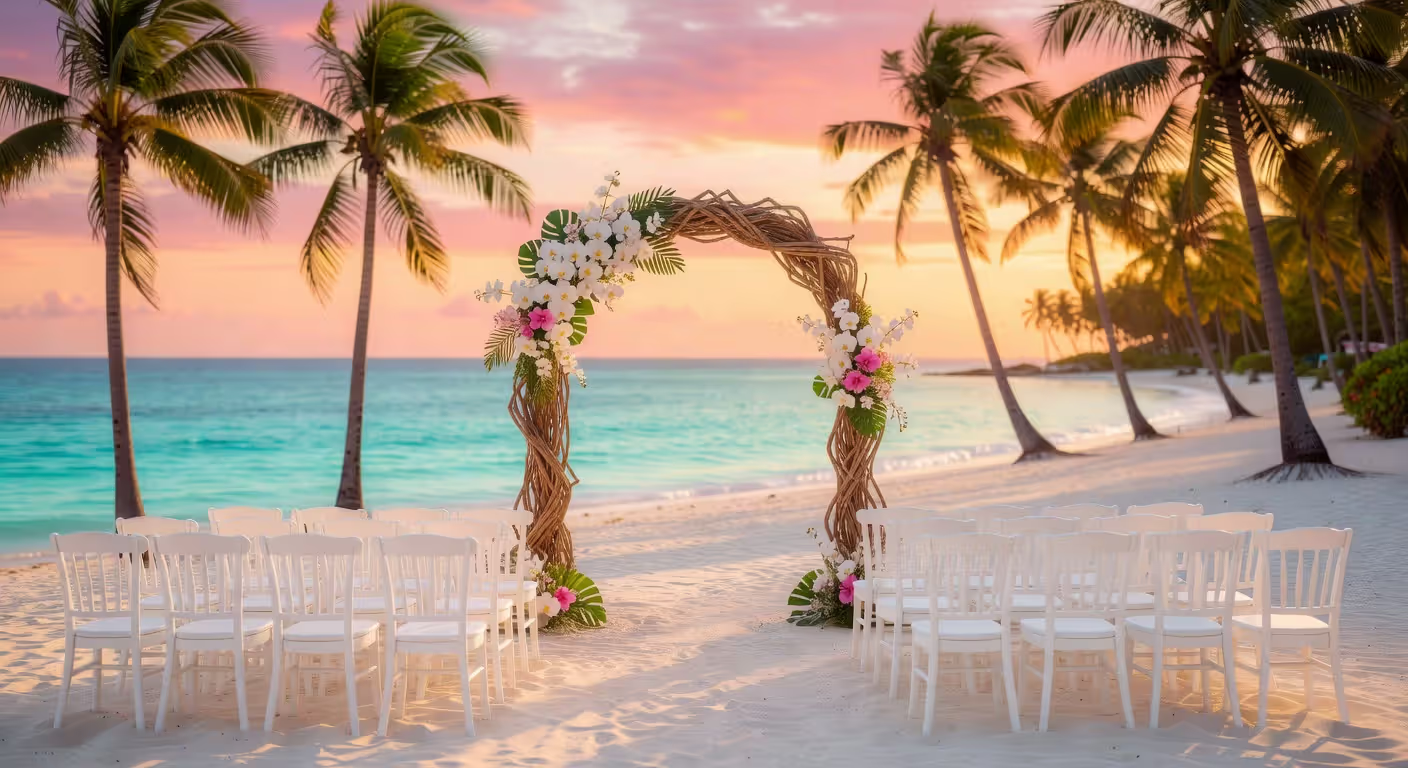
Destination wedding meaning has evolved. Originally, it meant traveling to an exotic location—Caribbean beaches, European villas, or tropical resorts. Now it includes any wedding where most guests travel to attend, even if it's just a few states away.
The appeal is clear. You get a vacation and a wedding in one. Guest lists naturally shrink (not everyone will travel), creating a more intimate celebration. Many resorts offer packages that simplify planning.
But destination weddings require careful thought. You're asking guests to spend $1,500–$3,000 on travel and accommodations. Some friends and family won't be able to attend. That's okay if you're prepared for it.
Popular destination wedding locations in 2026 include:
- Mexico: Cancun, Cabo San Lucas, Tulum—affordable, easy travel from most US cities, all-inclusive resorts
- Caribbean: Jamaica, Dominican Republic, St. Lucia—beach settings, warm weather year-round
- Hawaii: Maui, Kauai, Big Island—stunning landscapes, US location (no passports needed)
- Europe: Italy (Tuscany, Amalfi Coast), Greece (Santorini), Portugal—for couples wanting Old World charm
- US destinations: Charleston, Napa Valley, Aspen, New Orleans—easier travel for guests, no passport required
Planning basics for destination weddings:
Timeline: Start 12–18 months out. Popular resorts book early, especially for peak season dates.
Guest communication: Send save-the-dates 8–10 months in advance. Guests need time to request work leave and save money.
Legal requirements: Research marriage license rules for your destination. Some countries require specific documents, waiting periods, or witnesses. Many couples do legal paperwork at home and have a symbolic ceremony abroad.
Vendor coordination: Most resorts have preferred vendor lists. If you bring outside vendors, expect extra fees. Confirm what's included in packages—some cover basics but charge for upgrades.
Guest experience: Plan group activities beyond the wedding. Welcome dinners, beach days, or excursions help justify the travel and create memories.
The average destination wedding costs $15,000–$35,000 for the couple, not including guest travel. That's often less than a traditional hometown wedding with 150 guests.
Author: Naomi Bellamy;
Source: nappyheadedlovestories.com
Intimate Wedding Ideas for Small Gatherings
Intimate wedding ideas center on quality time with your closest people. These celebrations typically include 10–50 guests—parents, siblings, best friends, and maybe a few aunts and uncles.
Small gatherings offer advantages beyond cost savings. You'll actually talk to everyone. You can splurge on details that matter—better food, premium wine, a stunning venue. The day feels less like hosting a party and more like celebrating with people you love.
Venue options open up with small guest counts. Private dining rooms, Airbnb estates, art galleries, and even nice restaurants work perfectly. You're not limited to spaces that hold 150 people.
Intimate wedding ideas by style:
Restaurant buyouts: Book a favorite restaurant for dinner service. Many offer private rooms or full buyouts for 20–40 guests. You'll get professional service and great food without hiring separate caterers. Cost: $3,000–$10,000 depending on the restaurant.
Home celebrations: Use your own home, a family member's house, or a rented estate. This works especially well for 10–30 guests. You'll need to hire caterers and rent equipment, but the personal setting creates warmth. Cost: $5,000–$15,000.
Boutique venues: Small art galleries, historic homes, bed-and-breakfasts, and wine tasting rooms cater to intimate gatherings. These spaces offer character without the massive price tag of large venues. Cost: $2,000–$8,000 for the space.
Adventure celebrations: Hike to a mountain summit, rent a sailboat, or book a cabin in the woods. Active couples love celebrations that double as adventures. Cost varies widely but often stays under $10,000.
The simpler option usually wins here. With fewer guests, you don't need elaborate entertainment or complex timelines. A beautiful meal, heartfelt toasts, and good music create a perfect evening.
One common mistake: over-planning intimate weddings. You don't need a full timeline, assigned seating charts, or formal programs. Let the day flow naturally.
Cultural Wedding Traditions Around the World
Cultural wedding traditions add meaning, beauty, and connection to heritage. Even couples who don't follow all customs often incorporate a few symbolic elements.
Understanding different cultural practices helps you honor your own background or respectfully include traditions from a partner's heritage. It also inspires creative ideas—many couples borrow elements from cultures they admire.
Chinese weddings feature the tea ceremony, where couples serve tea to elders and receive red envelopes (hongbao) with money. Red dominates the color scheme, symbolizing luck and joy. The banquet often includes 8–10 courses (eight is a lucky number).
Indian weddings span multiple days with distinct events. The Mehendi ceremony decorates the bride's hands and feet with henna. The Sangeet includes music and dancing. The main ceremony involves the couple circling a sacred fire (Saptapadi) while taking seven vows.
Mexican weddings include the lasso ceremony, where a rope or rosary is placed around the couple in a figure-eight, symbolizing unity. Mariachi bands often perform, and guests receive wedding favors called recuerdos.
Greek weddings feature the Stefana ceremony, where crowns connected by ribbon are placed on the couple's heads, representing their union. The koufeta (sugar-coated almonds) given to guests symbolize the bittersweet nature of marriage.
Nigerian weddings vary by tribe but often include elaborate traditional attire, engagement ceremonies where families formally meet, and "spraying" money on the dancing couple during the reception.
Filipino weddings include the veil, cord, and coins ceremony. Sponsors place a veil over the couple's shoulders, drape a cord in a figure-eight, and present coins representing prosperity.
The most beautiful weddings I plan aren't the ones that follow every tradition perfectly—they're the ones where couples thoughtfully choose which customs matter to them and explain those meanings to guests. When you share why you're including a tea ceremony or jumping the broom, you invite everyone into your story. That's when cultural traditions become powerful, not just decorative.
— Chen Maria
You don't need to include every tradition from your culture. Pick the ones that resonate. Many second-generation Americans blend elements from their heritage with contemporary American wedding styles, creating something unique.
If you're incorporating traditions from a culture that's not your own (because of a partner or personal connection), do it respectfully. Learn the meaning, execute it properly, and acknowledge its origin. Avoid treating sacred rituals as mere decor.
How to Choose the Right Wedding Type for You
Choosing the right wedding type starts with honest conversation. You and your partner need to align on priorities before you book anything.
Start here: What matters most to you? Options include:
- Celebrating with everyone you know
- Creating an intimate experience with close family
- Honoring religious or cultural traditions
- Having an adventure or unique experience
- Staying within a specific budget
- Making family members happy
- Having great photos and memories
You can't maximize all of these. Prioritize your top three.
Budget shapes everything. Be realistic about what you can afford without going into debt. The average US wedding costs $33,000, but 40% of couples spend under $20,000. If your budget is $15,000, you're looking at casual or intimate celebrations, not formal ballroom affairs with 200 guests.
Break down your budget by percentage:
- Venue and catering: 45–50%
- Photography/videography: 10–15%
- Music/entertainment: 8–10%
- Flowers and decor: 8–10%
- Attire: 5–8%
- Everything else: 15–20%
Guest count drives costs. Every additional person costs $100–$300 (venue, food, drinks, rentals). If you want to invite 200 people but your budget is $20,000, the math doesn't work. Either increase the budget, cut the guest list, or choose a more casual format.
Family expectations matter, but they're negotiable. If parents are contributing financially, they typically get some input. But it's still your wedding. The compromise usually involves keeping a few non-negotiable traditions (religious ceremony, inviting certain relatives) while having freedom on other choices.
Consider your personalities. Introverts often prefer intimate weddings where they're not performing for a crowd all day. Extroverts might love big parties. Adventurous couples lean toward destination or outdoor celebrations. Homebodies might prefer a familiar local venue.
Think about your guests' experience. Are most guests local or will they travel? Can they afford a destination wedding? Will elderly relatives manage an outdoor venue with uneven ground? Will your college friends have fun at a formal affair?
Timeline flexibility: If you want to marry soon (within 6 months), you'll have limited venue options. Off-season dates (winter, weekdays) offer more availability and lower costs.
Decision framework:
- Set your budget ceiling
- Decide your must-have guest count range
- Identify 2–3 non-negotiable elements (religious ceremony, live band, etc.)
- Research venue options that fit your numbers and budget
- Choose formality level based on venue and personal style
- Select traditions and details that feel authentic
Don't choose a wedding type because it's trendy or because you saw it on Instagram. The best celebrations reflect who you actually are, not who you think you should be.

Author: Naomi Bellamy;
Source: nappyheadedlovestories.com
FAQ: Types of Weddings Questions Answered
The wedding you choose should feel like you, not like a performance. Whether that means a backyard barbecue with 40 friends or a formal ballroom dinner with 200 guests, the right choice is the one that lets you celebrate authentically. Start with your priorities, set a realistic budget, and build from there. The types of weddings available today offer more freedom than ever—use that freedom to create something meaningful.
Related Stories
Read more

Read more


The content on this website is provided for general informational and educational purposes only. It is intended to explain concepts related to relationships, dating, marriage, emotional intimacy, attachment styles, and breakup recovery.
All information on this website, including articles, guides, and examples, is presented for general educational purposes. Outcomes and relationship experiences may vary depending on individual circumstances.
This website does not provide professional counseling, therapy, or legal advice, and the information presented should not be used as a substitute for consultation with qualified mental health professionals or relationship counselors.
The website and its authors are not responsible for any errors or omissions, or for any outcomes resulting from decisions made based on the information provided on this website.