

How to Start Planning Wedding from Beginning to End
How to Start Planning Wedding?

Planning a wedding is exciting. It's also a lot of work. You're about to coordinate the biggest party of your life, manage a budget that might rival a down payment, and keep dozens of people happy while staying sane yourself. The good news? Thousands of couples do this every year, and most of them survive to tell the tale.
The trick isn't working harder—it's working smarter. When you understand what needs to happen when, and why certain decisions unlock everything else, the whole process becomes manageable. You'll still have moments of stress (everyone does), but you won't be scrambling at midnight three weeks before your wedding wondering why you forgot to order a cake.
This guide walks you through the entire process from "we're engaged!" to "we're married!" It's built for beginners who've never done this before and just need a clear roadmap. No fluff, no outdated traditions you don't care about—just the practical steps that actually matter.
When to Begin and What Timeline to Follow
The most common question newly engaged couples ask is: when should we actually start planning? The answer depends on the wedding you want.
For most weddings, 12 to 18 months of lead time works well. That gives you enough runway to book popular vendors without paying rush fees or settling for your fourth-choice venue. If you're planning something smaller and more flexible, you can pull together a beautiful wedding in six to nine months. On the flip side, large formal weddings or destination events often need 18 to 24 months, especially if you're getting married during peak season (May through October in most of the US).
Here's what I see most often: couples get engaged, ride the excitement wave for a few weeks, then suddenly panic when they realize how fast time moves. A year sounds like forever until you're in it.
When to start planning a wedding really means when to start acting. You can daydream about centerpieces anytime, but actual planning—the kind that involves deposits and contracts—should begin as soon as you've settled on a rough guest count and budget range. For most couples, that's within the first month or two of engagement.
The timeline also shifts based on your location and wedding style. A backyard micro-wedding for 20 people? You could plan that in three months if you needed to. A 200-person ballroom affair in a major city? You'll want every bit of that 18-month window, because the best venues and photographers book out a year or more in advance.
How far in advance to plan a wedding isn't just about booking vendors early. It's about giving yourself mental breathing room. Rush timelines create stress, and stress makes you skip important details or overspend because you're out of options.
Think of your timeline as a countdown clock. The moment you set a date, tasks start appearing on a schedule. Some are flexible; others have hard deadlines. The couples who succeed are the ones who respect those deadlines without obsessing over them.
First Decisions That Shape Everything Else
Not all wedding decisions carry equal weight. Some choices are easy to change later; others lock you into a specific path. The most important wedding planning decisions all happen early, and they all influence each other.
Budget comes first. Always. You can't choose a venue until you know what you can spend, and you can't build a realistic budget until you know roughly how many people you're inviting. These two numbers—total budget and guest count—are the foundation of everything else.
Most couples approach this backwards. They fall in love with a venue, then try to make the budget work around it. That's how you end up with a gorgeous ballroom and no money left for food, flowers, or a photographer. The pattern I see most often is couples underestimating how much weddings actually cost, then scrambling to cut corners on things that really matter to them.
Start by having an honest conversation about money. What can you afford without going into debt? What are your families contributing, if anything? What are you willing to save for over the next year? Once you have a number, allocate it roughly: 40–50% for venue and catering, 10–15% for photography, 10% for flowers and decor, 8–10% for music, and the rest divided among attire, invitations, rings, and miscellaneous costs.
Guest count shapes everything. A wedding for 50 people is fundamentally different from one for 150. Smaller weddings give you more venue flexibility and lower per-person costs, but they also mean tougher decisions about who makes the cut. Larger weddings feel more traditional and inclusive but require bigger budgets and more complex logistics.
Decide early whether you're having a small, intimate gathering or a big celebration. Don't try to split the difference by inviting 100 people "just to be safe." That's still expensive and logistically complex, but you'll still hurt feelings by leaving people out.
Venue type and date come next. Your venue dictates your wedding's style, season, and often your color palette. A rustic barn calls for different decor than a sleek urban loft. A summer garden wedding needs different attire than a winter ballroom event.
Wedding planning priorities should always put these big-picture decisions before details like napkin colors or save-the-date fonts. You can't design invitations until you know your date. You can't choose bridesmaids' dresses until you know your venue's vibe and your wedding's season.
What to plan first for a wedding boils down to this sequence: budget and guest count, then venue and date, then major vendors (catering, photography, music), then everything else. Lock in the foundation before you decorate the house.

Author: Evelyn Hartleigh;
Source: nappyheadedlovestories.com
Step-by-Step Breakdown of What to Book and When
A wedding planning guide for beginners needs to be chronological. Here's exactly what to do and when, based on a standard 12-month timeline. Adjust the schedule if you're working with more or less time.
12–9 Months Out
This is your foundation phase. Everything you book now determines what's possible later.
Book your venue first. Nothing else matters until you know where and when you're getting married. Tour three to five options, compare pricing and availability, then commit. Weekend dates at popular venues disappear fast, especially in peak wedding season.
Hire your photographer. Good photographers book out 12 to 18 months ahead. If photography matters to you (and it should—it's the one thing you keep forever), this is your second hire after the venue.
Secure your caterer. Some venues include catering; others let you bring your own. Either way, nail down food and beverage service early. Catering is typically your biggest expense after the venue, and availability gets tight as you get closer to your date.
Book ceremony and reception music. Whether that's a DJ, a band, or a string quartet, live entertainment books up quickly. Musicians often work multiple weddings per weekend and can't double-book.
Order your wedding attire. Dresses and suits need time for ordering, alterations, and potential reorders if something goes wrong. Start shopping now; order by the end of this phase.
Choose your wedding party. You need to know who's standing with you before you can plan attire, gifts, or pre-wedding events.
8–6 Months Out
Now you're filling in the details and confirming the guest experience.
Hire remaining vendors. Florist, videographer, hair and makeup artists, transportation, cake baker—book them all during this window. You'll still have options, but they're starting to thin out.
Finalize your guest list. You need a near-final count to order invitations and give your caterer a rough headcount. This is often the hardest part emotionally, but it has to happen.
Order invitations. Most couples send invitations 6–8 weeks before the wedding, but production and shipping take time. Order now so they're ready to mail on schedule.
Book hotel room blocks. If you have out-of-town guests, reserve blocks at nearby hotels. This usually needs to happen 6–9 months out.
Plan your honeymoon. Flights and accommodations get expensive if you wait. Book now while you still have options and reasonable prices.
Register for gifts. Guests will start asking where you're registered as soon as invitations go out.
5–3 Months Out
You're shifting from booking to planning logistics.
Send invitations. Mail them 6–8 weeks before your wedding date. Earlier for destination weddings.
Finalize ceremony details. Write your vows (if you're doing custom ones), choose readings, confirm the processional order, and rehearse with your officiant.
Order wedding rings. If they need engraving or resizing, build in extra time.
Plan the rehearsal dinner. Lock down the location, guest list, and menu.
Confirm vendor details. Touch base with every vendor to review contracts, timing, and expectations. This is when you catch miscommunications before they become problems.
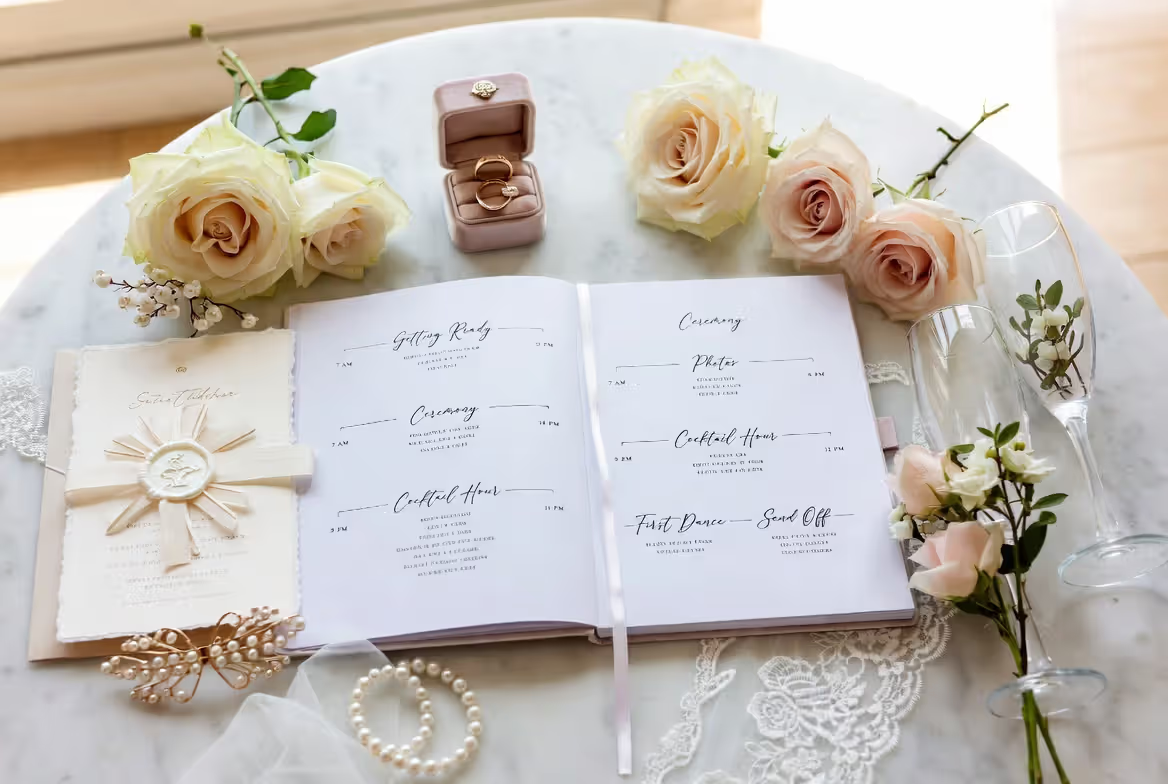
Create a day-of timeline. Map out every hour of your wedding day from hair and makeup to the last dance. Share it with your vendors and wedding party.
Apply for your marriage license. Requirements vary by state, but most licenses are valid for 30–90 days. Don't leave this for the last minute.
Author: Evelyn Hartleigh;
Source: nappyheadedlovestories.com
Final 2 Months and Week-Of Tasks
The home stretch. You're done planning; now you're executing.
Finalize headcount and seating chart. RSVPs should be due about four weeks before the wedding. Give your caterer a final count one to two weeks out.
Confirm all vendor arrival times. Send your day-of timeline to everyone and get written confirmation that they'll be there.
Do a final venue walkthrough. Visit the space with your planner or coordinator to confirm layout, power outlets, parking, and backup plans.
Prepare vendor tips and payments. Put cash in labeled envelopes so someone can distribute them on the day.
Pack for your wedding night and honeymoon. You'll be exhausted after the wedding. Have bags ready to go.
Delegate day-of responsibilities. Assign someone to handle vendor questions, emergencies, and family drama. It shouldn't be you.
Attend your rehearsal. Walk through the ceremony so everyone knows where to stand and when to move.
Get married. You made it.
This step-by-step approach to organizing your wedding day keeps you moving forward without backtracking or scrambling. The couples who follow this sequence avoid most of the common chaos.
Wedding Planning Timeline Comparison Table
Different wedding sizes need different timelines. Here's how the major milestones shift based on guest count.
| Milestone | Small Wedding (<50 guests) | Medium Wedding (50–150 guests) | Large Wedding (150+ guests) |
| Total planning time | 6–9 months | 12–15 months | 18–24 months |
| Book venue | 6–9 months before | 12–18 months before | 18–24 months before |
| Hire photographer | 6–9 months before | 12–15 months before | 15–20 months before |
| Order invitations | 3–4 months before | 4–5 months before | 5–6 months before |
| Send invitations | 6 weeks before | 6–8 weeks before | 8–10 weeks before |
| Finalize headcount | 2 weeks before | 3–4 weeks before | 4 weeks before |
| Rehearsal | 1–2 days before | 1–2 days before | 1–2 days before |
Small weddings offer flexibility. You can often book a restaurant private room or backyard space with just a few months' notice. Large weddings need that extra time because coordinating 200+ people, managing a bigger vendor team, and securing a ballroom that fits everyone takes longer.
The biggest mistake I see is couples booking vendors out of sequence. They'll spend weeks agonizing over bridesmaid dress colors before they've even secured a photographer. Then they're shocked when their top three photographers are all booked. Venue, food, photography, music—in that order. Everything else can wait.
— Chen Michelle
How to Stay Organized Without Getting Overwhelmed
Even with a perfect timeline, wedding planning tips for couples often focus on organization and mental health. Because knowing what to do and actually doing it without losing your mind are two different things.
Use a planning tool. Whether that's a dedicated wedding app, a shared spreadsheet, or a good old-fashioned binder, you need one central place for contracts, vendor contact info, budget tracking, and your master checklist. Don't rely on memory or scattered notes.
Popular planning apps include features for budget tracking, guest list management, and vendor coordination. But honestly? A well-organized Google Sheet works just as well if you're disciplined about updating it.
Set regular planning sessions. Block out one or two hours per week to tackle wedding tasks together. This keeps you moving forward without letting wedding planning consume every evening and weekend.
Divide responsibilities clearly. Decide who's handling what early on. One person manages vendors, the other handles invitations and guest communication. Or split by category: one takes ceremony and decor, the other takes food and music. Just don't duplicate effort or assume the other person is handling something.
Communicate with your vendors. Don't be afraid to ask questions or ask for updates. Good vendors expect it and appreciate couples who stay engaged. Bad vendors go silent and hope you don't notice problems until it's too late.
Manage family input carefully. Parents and in-laws often have opinions. Strong ones. Decide early which decisions are yours alone and which ones you're open to input on. Then communicate those boundaries clearly and kindly.
The couples who stay sane are the ones who treat wedding planning like a project with a deadline, not an identity. It's a big party. An important one, sure. But still just a party.
Essential wedding planning advice often comes down to this: you can't control everything, and trying to will make you miserable. Pick the three or four things that matter most to you—maybe that's photography, food, and music—and focus your energy there. Everything else can be good enough.

Author: Evelyn Hartleigh;
Source: nappyheadedlovestories.com
Common Planning Mistakes and How to Avoid Them
Let's talk about what goes wrong. Because even couples who follow timelines and stay organized make predictable mistakes.
Booking vendors out of order. We covered this already, but it's worth repeating. Venue and date first, then major vendors, then details. If you order bridesmaid dresses before you've booked a photographer, you've got your priorities backwards.
Underestimating costs. Weddings cost more than you think. Always. Build a 10–15% buffer into your budget for things you forgot or didn't know about: taxes, service charges, vendor meals, tips, last-minute additions. That buffer is the difference between staying calm and panicking when unexpected costs appear.
Skipping contracts. Every vendor should have a written contract that spells out exactly what they're providing, when, and for how much. If a vendor won't give you a contract, walk away. Verbal agreements mean nothing when something goes wrong.
Neglecting day-of logistics. Who's setting up your card box? Who's bringing your bouquet to the ceremony? Who's making sure grandma gets from the ceremony to the reception? These tiny details derail weddings because nobody thought about them in advance.
Assign a point person (a wedding planner, a reliable friend, or a family member who's good under pressure) to handle logistics on the day. You should be getting married, not troubleshooting parking.
Inviting too many people out of obligation. Your coworker you barely talk to doesn't need to be at your wedding. Neither does your dad's college roommate. Every person you invite costs money and takes up space. Invite people you actually want there.
Forgetting to eat. On your wedding day, you'll be so busy greeting guests and taking photos that you'll forget to eat the meal you spent thousands of dollars on. Assign someone to bring you a plate during cocktail hour and make sure you actually eat it.
Ignoring the weather. If you're having an outdoor wedding, you need a backup plan. Not a "we'll figure it out if it rains" plan. An actual contracted backup space with a clear trigger point for making the call.
The common thread in most mistakes? They happen when couples get distracted by details and lose sight of the big picture. Stay focused on what actually matters.
FAQ: Wedding Planning Questions Answered
Planning a wedding is a lot of work, but it doesn't have to be miserable. When you start early, prioritize the decisions that actually matter, and stay organized throughout the process, you'll end up with a day that feels like you—not a cookie-cutter event that drained your bank account and your sanity. Focus on the big picture, delegate the details, and remember that the point of all this planning is to celebrate your relationship surrounded by people you love. Everything else is just logistics.
Related Stories

Read more

Read more


The content on this website is provided for general informational and educational purposes only. It is intended to explain concepts related to relationships, dating, marriage, emotional intimacy, attachment styles, and breakup recovery.
All information on this website, including articles, guides, and examples, is presented for general educational purposes. Outcomes and relationship experiences may vary depending on individual circumstances.
This website does not provide professional counseling, therapy, or legal advice, and the information presented should not be used as a substitute for consultation with qualified mental health professionals or relationship counselors.
The website and its authors are not responsible for any errors or omissions, or for any outcomes resulting from decisions made based on the information provided on this website.